the Creative Commons Attribution 4.0 License.
the Creative Commons Attribution 4.0 License.
 | 20 Mar 2026
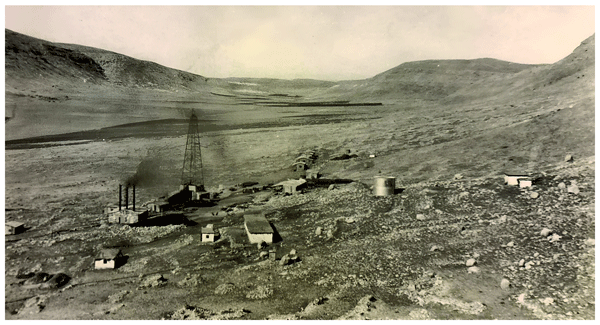
The founding actor of Türkiye's petroleum geology: Cevat Eyüp Taşman and his legacy in the national energy policies
This article examines the foundational role of Cevat Eyüp Taşman (1893–1956), Türkiye's first petroleum geologist, by analyzing how his higher education in the United States and his professional experience with international oil companies established him as essential “critical human capital” for the Republic. Drawing on archival documents and primary sources, the study focuses on the period from his initial involvement in 1929 until his death in 1956. It structures his contributions around four foundational pillars that transformed the national oil enterprise: the technical-scientific pillar, established through systematic field research and global publications; the institutional pillar, realized by founding and leading national exploration bodies; the legal-regulatory pillar, marked by his pivotal role in drafting Petroleum Law No. 6326 (1954); and the intellectual-public pillar, demonstrated by his leadership in professional societies and public pedagogy. The research repositions Taşman not only as a technical expert but also as a “public intellectual” who consistently aligned scientific knowledge with national development objectives. Accordingly, his legacy is assessed through these four pillars, which together underscore his enduring influence on Türkiye's quest for energy independence.
- Article
(7151 KB) - Full-text XML
- BibTeX
- EndNote


The pursuit of energy independence was a cornerstone of both the modernization drive and the assertion of political sovereignty in the early Republic of Türkiye, building upon earlier Ottoman-era explorations and initiatives (Ediger, 2006; Uluğbay, 2008; Sarıgül, 2021a). The Petroleum Law of 1926 demonstrated the state's resolve, but it also exposed a critical shortcoming: the lack of trained domestic expertise capable of mastering oil exploration science and technology (Official Gazette of the Republic of Türkiye, Issue: 341, 6 April 1926). This gap rendered the emergence of a pioneer like Cevat Eyüp Taşman (1893–1956) not merely beneficial but essential to Türkiye's petroleum future (Akcan and İdem, 2023; Akcan, 2024).
Despite his acknowledged importance, a comprehensive scholarly analysis positioning Taşman as the central architect of Turkish petroleum geology – encompassing his formative years, strategic institutional role, and multifaceted legacy – remains underdeveloped in the literature.
This study aims to fill this gap by delineating Taşman's portrait as the “founding actor” of Turkish petroleum geology. By situating his personal trajectory within the broader modernization project of the Early Republic, the article addresses key questions regarding the formation of his scientific identity, the conditions of his return, the challenges he overcame, and the enduring pillars of his legacy. The analysis reinterprets Taşman beyond his role as a technical expert, suggesting his alignment with the broader function of a public intellectual who bridged specialized knowledge and national development objectives (Said, 1994).
The article proceeds as follows. First, it outlines the materials and methods employed. It then presents a biographical sketch of Taşman's life and career. The core of the analysis is structured around four pillars of his foundational legacy: his technical-scientific contributions, his role in legal and institutional development, his intellectual leadership and public engagement, and a comparative perspective that highlights his unique model. The conclusion synthesizes the findings, discusses their implications, and suggests avenues for future research.
This research employs a multi-method analytical approach grounded in the critical examination of archival documents and primary sources. The methodology was designed to triangulate evidence from diverse repositories, enabling a nuanced reconstruction of Cevat Eyüp Taşman's role and the context in which he operated.
2.1 Source Corpus and Acquisition
The principal archival foundation comprises documents from the Prime Ministry Republican Archives (Başbakanlık Cumhuriyet Arşivi, BCA) and the Ottoman Archives (Başbakanlık Osmanlı Arşivi, BOA). These collections furnished official correspondence, administrative reports, procurement records, and personnel files directly pertaining to Taşman's appointment, field operations, and strategic decision-making.
To establish the legal and political framework, a systematic examination was conducted of the Official Gazette of the Republic of Türkiye (Resmî Gazete) and the Parliamentary Records of the Grand National Assembly of Türkiye (TBMM Zabıt Ceridesi and Tutanak Dergisi), tracking legislative developments and policy debates related to petroleum exploration from 1926 onward.
Public perception and the contemporary discourse on oil were traced through a review of prominent national newspapers from the period, including Hakimiyeti Milliye, Milliyet, Akşam, and Cumhuriyet. These sources were instrumental in analyzing how petroleum geology was presented to the public and how Taşman's public role was framed.
Primary sources further encompass Taşman's own scientific publications, official geological reports, and transcripts of his radio broadcasts. First-hand accounts of operational and institutional challenges were obtained from the memoirs of his contemporaries, most notably Kemal Lokman, providing a ground-level perspective complementary to official documentation (Lokman, 1957).
2.2 Analytical Framework and Historical Interpretation
To address the research questions, this study integrates a historical narrative approach with thematic analysis, underpinned by principles of source criticism and contextual discourse analysis. The methodology is designed to move beyond descriptive biography to construct an interpretive analysis of Taşman's role as a “founding actor.”
Historical Analysis and Source Criticism: All sources were subjected to rigorous internal and external criticism to assess their origin, purpose, and reliability. Archival documents were analyzed not merely as factual records but as artifacts of bureaucratic process, revealing institutional priorities and constraints. For instance, procurement records (e.g., BCA, 1940) were read both for their logistical data and as evidence of the struggles to secure resources. Memoirs (e.g., Lokman, 1958) were valued for their ethnographic detail on field conditions but were triangulated against official reports to mitigate personal bias or retrospective framing. This critical approach allows the reconstruction of events (the “what happened”) while sensitizing the analysis to the subtext of documents.
Discourse and Contextual Reading: Public texts – including newspaper articles, parliamentary debates, and Taşman's own popular writings and radio broadcasts – were analyzed through a discourse-analytic lens. The focus was not on these texts as neutral reports but as active constituents of a broader socio-political discourse. This analysis traced how specialized knowledge of petroleum geology was translated and framed as a national “development ideal,” and how Taşman positioned himself within this discourse to build public support and legitimize the state's technical projects (Said, 1994). This method illuminates the interplay between expert knowledge and public consciousness.
Demarcation Between Narrative and Analysis: A clear analytical boundary is maintained between the biographical narrative (Sect. 3) and the thematic analysis (Sect. 4). Section 3 provides a chronological account of Taşman's life and career, establishing the empirical sequence of events based on the critically assessed source corpus. Section 4 then engages in interpretation, structuring the evidence around the core conceptual themes – technical sovereignty, institutional building, legal framing, public engagement, and hybrid model formation – that answer the “why it mattered” questions. This separation ensures that the historical foundation is solid before layering on analytical interpretation, preventing conflation and enhancing argumentative clarity.
2.3 Data Triangulation and Thematic Synthesis
To mitigate source bias and construct a coherent narrative, data were cross-verified across different source types. For instance, Taşman's descriptions of field challenges in official reports were compared with firsthand memoir accounts (e.g., Lokman, 1958) and contemporary press coverage of exploration campaigns.
Through an iterative coding process of the entire source corpus, recurring themes were identified and refined. Key themes that emerged include: “technical sovereignty,” “institutional building,” “public engagement,” “logistical hardship,” and “nationalist scientism” – a term describing the ideological fusion of patriotic sentiment with the belief in science and technology as primary vehicles for national progress and modernization. These themes provided the organizational structure for the analytical sections (Sect. 4.1–4.5) and allowed for tracing the evolution and interconnectedness of Taşman's legacy across different dimensions.
This integrated methodological approach enables a reconstruction of Taşman's role that transcends a mere technical biography. It aligns the empirical findings with the conceptual frameworks of “critical human capital” and the public intellectual, offering a comprehensive understanding of his impact in a late-developing national context.
3.1 Early Life, Education, and Formative Years in the USA (1893–1930)
Cevat Eyüp Taşman (1893–1956) was born in the final decades of the Ottoman Empire, a period characterized by concerted state-led efforts to modernize administrative, military, and technical institutions through selective engagement with Western Europe and, increasingly, the United States. His educational trajectory exemplifies this deliberate policy of creating “critical human capital” for imperial and, later, national renewal (Akcan, 2024).
Taşman's path to becoming Türkiye's foundational petroleum geologist began with his elite secondary education at Robert College (RC) in Istanbul. Established in 1863, Robert College was the first American institution of higher education founded outside the United States and served as a crucial conduit for Western scientific pedagogy and the English language into the late Ottoman elite (Ayhan, 2021). For Ottoman students like Taşman, graduation from RC conferred not only a strong foundation in mathematics and the natural sciences but also a formative familiarity with American academic methods and technical discourse. This preparation was pivotal for subsequent advanced study in the United States.
In 1911, Taşman was selected as one of the first Ottoman students dispatched by the state for higher technical education in the United States, part of a strategic initiative to build indigenous expertise in fields essential for industrial modernization (BOA, 1911; Ayhan, 2021). He enrolled at Columbia University's School of Mines, an institution globally prestigious and particularly attractive to students from empires and nations undergoing intensive infrastructural and resource-based development. His choice of mining engineering and geology was strategically aligned with the Ottoman (and later Republican) priority on subsurface resource exploitation.
His academic training culminated in a Bachelor of Science in Mining Engineering in 1915, completed with a grant from the Carnegie Foundation after his original state funding was interrupted by the First World War (Levermore, 1922; Columbia University Alumni Register, 1932). He further pursued a Master of Science in Geology at Columbia University, serving as a research assistant to Professor Robert M. Raymond. While a formal thesis title is not recorded in the standard alumni registers, his advanced studies provided deep theoretical grounding in stratigraphy and structural geology, complementing his practical engineering focus (Columbia University Alumni Register, 1932).
The formative impact of his American education was cemented by over a decade of direct professional experience in the U.S. petroleum industry. By the early 1920s, he was recognized in professional circles, as noted in industry publications such as the Engineering & Mining Journal Press (20 January 1923). His technical work for the Phelps Dodge Corporation (1918–1920) and the Empire Gas & Fuel Company (1920–1930) involved conducting geological surveys and managing drilling operations in prolific hydrocarbon regions like Texas, New Mexico, and Mexico's Tamaulipas region (The Oil and Gas Journal, 8 June 1933; Leonard, 1925). This phase was not merely employment but an immersive apprenticeship in the world's most advanced oil sector. It equipped him with a comprehensive, hands-on understanding of the entire exploration cycle – from basin analysis and prospect generation to drilling technology and well-site geology.
Thus, Taşman's pioneering profile was forged through a unique and potent synthesis: the intellectual rigor of an elite American scientific education, combined with extensive first-hand experience in cutting-edge exploration practices. This hybrid formation positioned him as an unprecedented figure in the Turkish context – a technically sovereign expert capable of establishing the modern discipline of petroleum geology from its very foundations upon his return. His subsequent career would be defined by applying this synthesized knowledge to overcome the specific challenges of Anatolian geology, thereby transitioning the nation's search for oil from an ad-hoc endeavor into a systematic scientific pursuit.
Note on Naming: For consistency, the legal name Cevat Eyüp Taşman is used throughout the manuscript. The Anglicized form Djevad Eyoub (or Djevad Eyoub (Taşman)) appears only in direct citations of his early international publication (Taşman, 1931) and in contemporary foreign source citations (e.g., Levermore, 1922) where that form was used. This clarifies the identity without introducing inconsistency.
3.2 Return to Türkiye and Official Appointment (1929–1933)
The Republic of Türkiye's search for domestic petroleum expertise created the opportunity for Taşman's return. The initiative was formally launched in 1929 under Minister of Economy Mehmet Şakir Kesebir (TBMM, 1933). Taşman was identified for this role through personal networks; journalist Ahmet Emin Yalman, his former Columbia University classmate, brought his unique experience to the attention of the authorities (Yalman, 1997).
Taşman returned to Türkiye and began work as a consultant in 1929. He was formally appointed as the Director of the newly established Petroleum Exploration and Operations Administration in May 1933 (BCA, 1933).
3.3 Career Trajectory and Key Milestones in Türkiye (1929–1956)
Taşman's career in Türkiye can be charted through distinct phases of exploration, discovery, and institutional development.
Initial Field Surveys (1929–1933): Upon his return, Taşman led and participated in extensive geological surveys from Thrace to Southeastern Anatolia with an interdisciplinary team that included Kemal Lokman, Swiss geologist Dr. Michel Lucius, and German geophysicist Hoffman (Hâkimiyeti Milliye Gazetesi, 21 Ekim 1930; Milliyet Gazetesi, 10 Nisan 1931). He published a foundational analysis of Türkiye's petroleum geology in 1931 under the name Djevad Eyoub (Djevad Eyoub (Taşman), 1931) (Figs. 1 and 2).
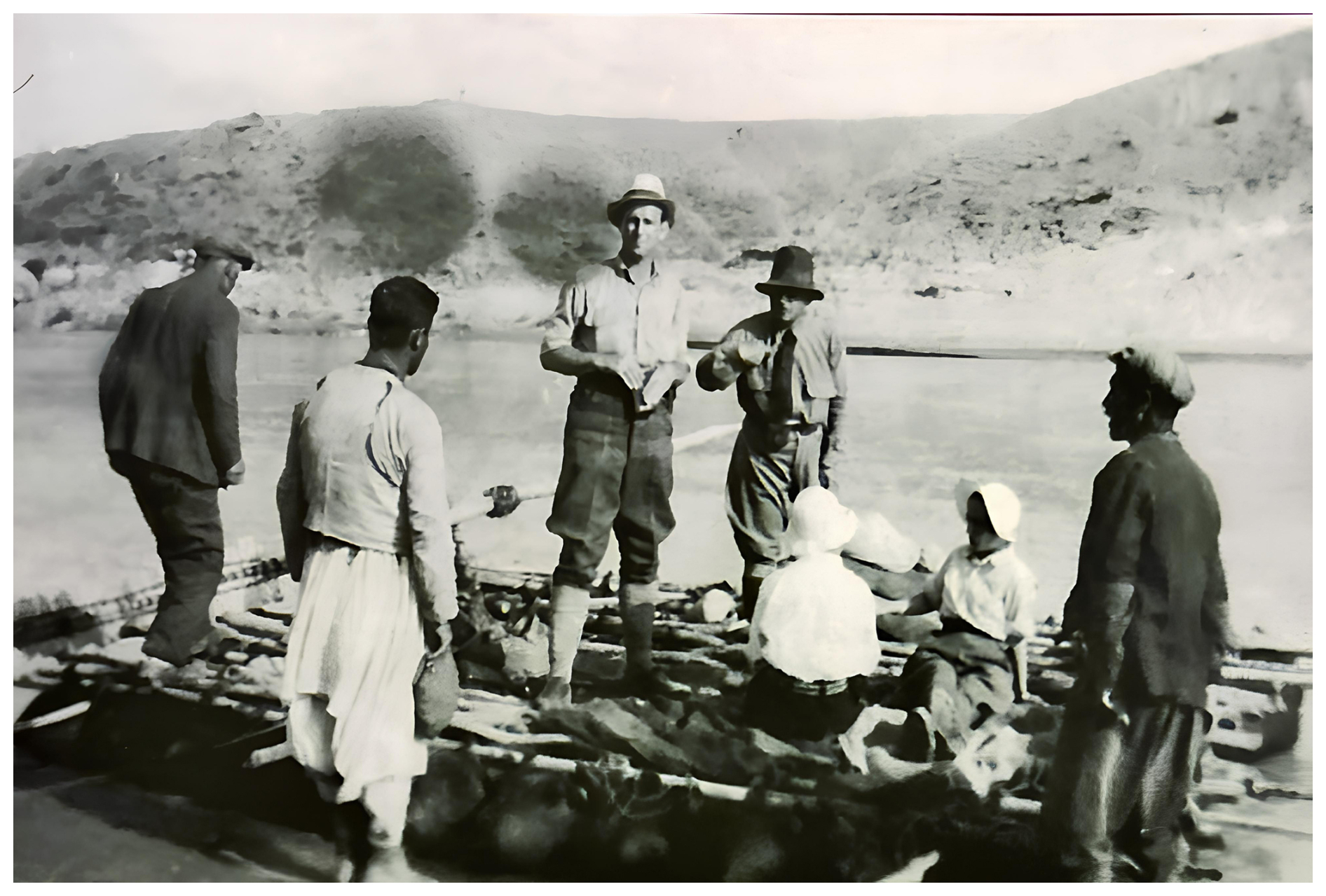
Figure 1Harold Moses and Cevat Eyüp Taşman during geological field surveys in Southeastern Anatolia, 1937. This image captures the collaborative international expertise that Taşman integrated into Türkiye's early petroleum exploration efforts, symbolizing the shift from foreign consultancy to nationally directed scientific research (Photo after Özcan, 2006).
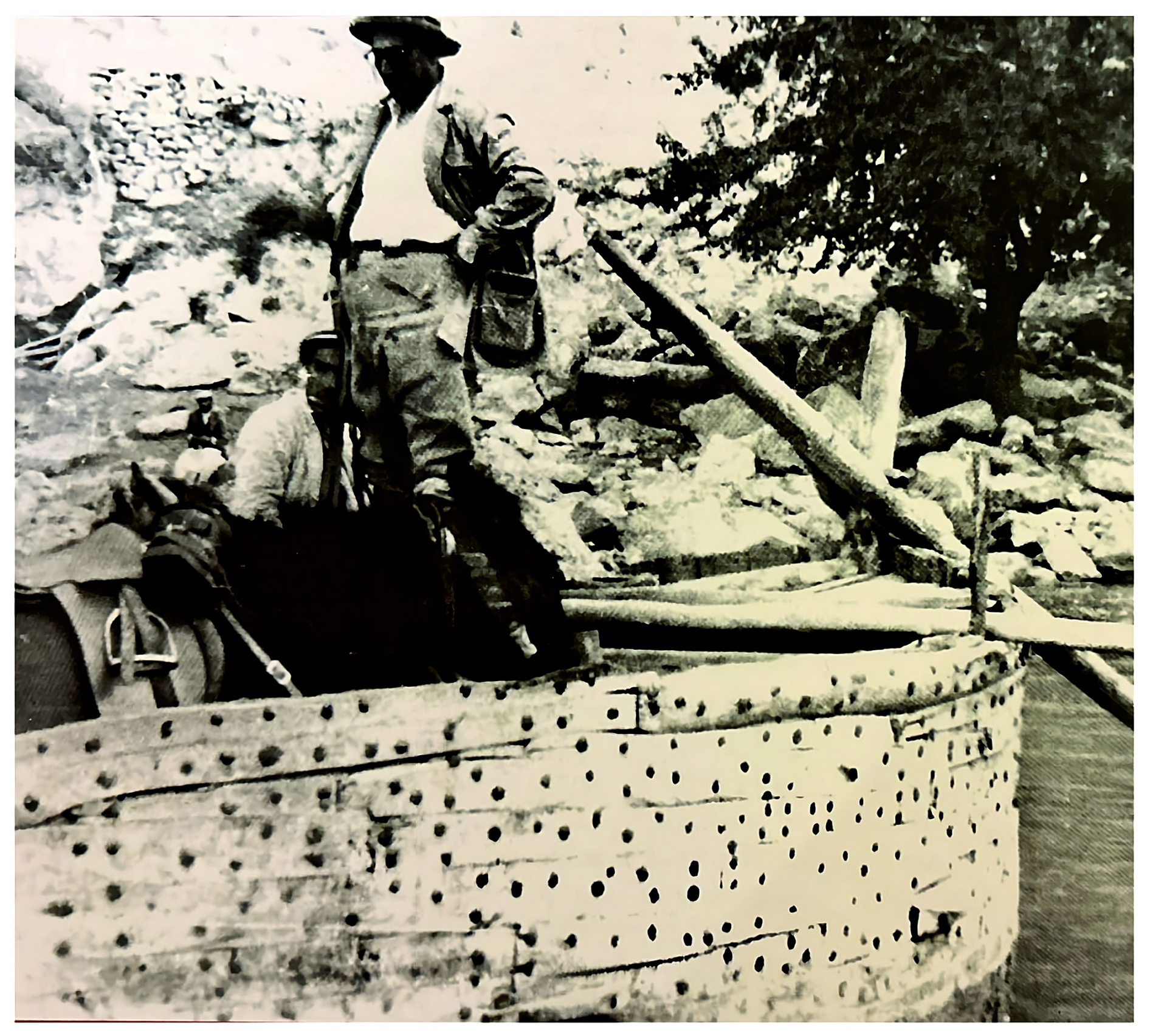
Figure 2Cevat Eyüp Taşman crossing the Tigris River on a kelek (traditional raft), circa 1940. This image illustrates the extreme logistical challenges faced by early exploration teams in remote Eastern Anatolia, where lack of infrastructure necessitated improvisation and perseverance (Photo after Özcan, 2006).
Institutional Leadership and the Raman Discovery (1933–1940): As Director, Taşman recruited international experts like Sidney Paige and Harold Moses for detailed surveys (Milliyet Gazetesi, 12 Temmuz 1933). After initial drilling attempts, including the dry Basbirin-1 well in 1934, efforts concentrated on the Raman anticline. The Raman-1 well struck oil at 1048 m on 20 April 1940 (Lokman, 1940; Yeni Sabah Gazetesi, 22 Mayıs 1940).
Institutional and Legal Work (1940–1956): Following the discovery, Taşman continued his work within the Maden Tetkik ve Arama Enstitüsü (MTA). He played a central role in the technical committee that drafted Petroleum Law No. 6326, enacted in 1954 (TBMM, 2019). In 1955, he was transferred to the Petrol Dairesi Reisliği (PDR) as a Technical Advisor (Petrol Dairesi, 1957). He passed away in 1956.
4.1 Technical & Scientific Contributions: Establishing a Modern Discipline
Taşman's foundational contribution was to instigate a paradigm shift in Türkiye's approach to petroleum exploration, moving it from an ad-hoc search for surface seeps to a systematic, science-based discipline grounded in modern stratigraphy and structural analysis. This shift was predicated on his unique synthesis of advanced American academic training and extensive industry experience, a combination that critically positioned him as the Republic's indispensable “critical human capital” (Akcan, 2024).
His early work (1929–1931) laid the intellectual and methodological bedrock for this transformation. A cornerstone was his 1931 article in the Bulletin of the American Association of Petroleum Geologists, the first by a Turkish geologist to present the nation's petroleum geology systematically to an international audience (Djevad Eyoub (Taşman), 1931). This publication, building upon earlier surveys (e.g., Mason, 1930), served a dual purpose: it provided a foundational strategic document for domestic planning while positioning Türkiye as a credible exploration frontier in the global literature, aiming to attract technical interest and investment.
Under his leadership, the methodological approach was radically modernized. Taşman implemented systematic geological survey and mapping protocols – integrating stratigraphic column construction, detailed structural mapping of anticlines, and sample analysis – replacing sporadic searches with a regimen of “scientific prediction” based on field evidence (Lokman, 1958). Crucially, he pioneered the integration of specialized sub-disciplines into Turkish exploration. Recognizing the absence of a reliable national stratigraphic framework, he championed the use of biostratigraphy and micropaleontology for precise age dating and subsurface correlation. This led to the recruitment of specialists like paleontologist Mehlika Taşman-Ribnikar, whose quantitative foraminiferal analyses became critical for correlating wells in the Adana Basin and elsewhere (Taşman, 1957a, b, c). This methodological shift represented a significant advancement, aligning Turkish practices with contemporary international standards that emphasized paleontology as a key tool in subsurface geology.
4.2 Institutional Development, Strategic Collaboration, and Discovery
Taşman's role extended beyond science to pragmatic institution-building and strategic collaboration. His appointment as Director of the Petroleum Exploration and Operations Administration in 1933 initiated the creation of a central “research and application center.” A key strategy was the selective, purposeful integration of world-class international expertise to accelerate the transfer of advanced methodologies. His leadership exemplified the deployment of “critical human capital” to build state capacity from the ground up (Akcan, 2024). He recruited distinguished geologists such as Sidney Paige, whose work on tectonics was globally recognized, and Harold Moses, for foundational surveys (Milliyet Gazetesi, 12 Temmuz 1933). A particularly significant collaboration was with Louis Vonderschmidt, an experienced petroleum geologist with over a decade of experience in Venezuela's prolific fields. Vonderschmidt's survey of Southeastern Anatolia with Taşman provided critical insights grounded in New World exploration analogies (Sarıgül, 2021b). Furthermore, Taşman collaborated closely with Turkish mining engineer İhsan Ruhi Berent, whose field expertise bridged local knowledge with modern technique (Sarıgül, 2021b).
This era was defined by strategic adaptation through iterative learning. Early failures, such as the dry holes around Mardin, served as a practical education in the complexities of Anatolian geology, revealing the limitations of directly applying foreign models without robust local data (Lokman, 1958). Taşman and his team adapted by emphasizing foundational geological mapping and targeted paleontological analysis. The collaboration with experts like Paige and Vonderschmidt proved decisive. Their assessments, synthesizing surface geology with emerging stratigraphic concepts, correctly questioned initial shallow targets and recommended drilling deeper into the older Mesozoic strata (Taşman, 1950). This strategic shift in focus led to the landmark discovery. The Raman-1 well, drilled on the Raman anticline based on this refined understanding, struck oil at 1048 m on 20 April 1940, encountering the first economic reserve in fractured carbonate units of the Upper Cretaceous (Lokman, 1940; Yeni Sabah Gazetesi, 22 Mayıs 1940). The discovery validated not just a prospect but the entire institutional and methodological approach Taşman had championed – a state-led, scientifically rigorous, and collaboratively informed model.
The institutional culture fostered under Taşman's influence extended beyond geology to encompass the social dimensions of industrialization. To attract and retain skilled Turkish and foreign personnel in remote regions, the exploration directorate established well-appointed residential camps in areas like Raman and Garzan by the 1950s. These camps, featuring amenities such as cinemas, tennis courts, and swimming pools, were not mere perks but strategic investments. They symbolized the state's commitment to a modern, sustainable industry and created professional enclaves that elevated living standards, fostered community, and enhanced the stability and prestige of the nascent petroleum workforce, thereby supporting the long-term project of technical nation-building.
The institutional culture fostered under Taşman's influence extended beyond geology to encompass the social and professional dimensions of industrialization. A notable example is the integration of Mehlika İzgi into the scientific core of the project. After graduating from the American College for Girls in Istanbul in 1935, she began working at the MTA, initially translating geological reports. Her significant potential was recognized and nurtured by American micropaleontologist Louise Jordan, leading her to pursue advanced studies. Her subsequent marriage to Cevat Eyüp Taşman in 1950 and her pioneering work as Türkiye's first female petroleum geologist symbolized a dual transformation: the professionalization of a new scientific field and the evolving social role of women in the Republic's technical cadres. She served as the well-site paleontologist for critical discoveries, conducted groundbreaking quantitative foraminiferal analyses, founded TPAO's first micropaleontology laboratory, and authored the foundational handbook Applied Micropaleontology (Taşman-Ribnikar, 1975; Okay, 2024). This personal and professional partnership underscored the deeply intertwined nature of scientific advancement and social modernization within the national project Taşman led.
He also navigated significant bureaucratic and political skepticism, especially during the fiscally constrained war years, persistently advocating for petroleum exploration as a strategic national priority. The Raman-1 discovery was therefore far more than a technical success; it was the validation of this persistent, institution-building approach. It proved the state's investment in national expertise and method could yield results, becoming a monumental victory for national morale and a cornerstone for future exploration confidence (Yeni Sabah Gazetesi, 22 Mayıs 1940) (see Fig. 4). The transfer of advanced know-how to Turkish teams was a deliberate, gradual process, often facilitated through direct collaboration with foreign technicians in the field (see Fig. 5).
4.3 Legal Framing and Regulatory Foundation
By the 1950s, Taşman's extensive field and bureaucratic experience made him a critical architect of modern petroleum legislation. Having personally navigated the shortcomings of older laws, he led the technical committee that drafted Petroleum Law No. 6326 (enacted in 1954) over 18 months (TBMM, 2019).
The law's provisions for transparent licensing and technical committees can be seen as institutional mechanisms born from his earlier struggles, designed to build consensus, attract responsible investment, and shield exploration from short-term political cycles. The law successfully aligned Turkish regulations with global standards, generating immediate international interest (MTA, 1955). His subsequent move to the new regulatory body, the Petrol Dairesi Reisliği (PDR), as a Technical Advisor in 1955 completed the integration of his operational pragmatism into the state's legal and regulatory core (Petrol Dairesi, 1957). A notable example is the integration of Mehlika Izgi into the scientific core of the project (see Fig. 3).
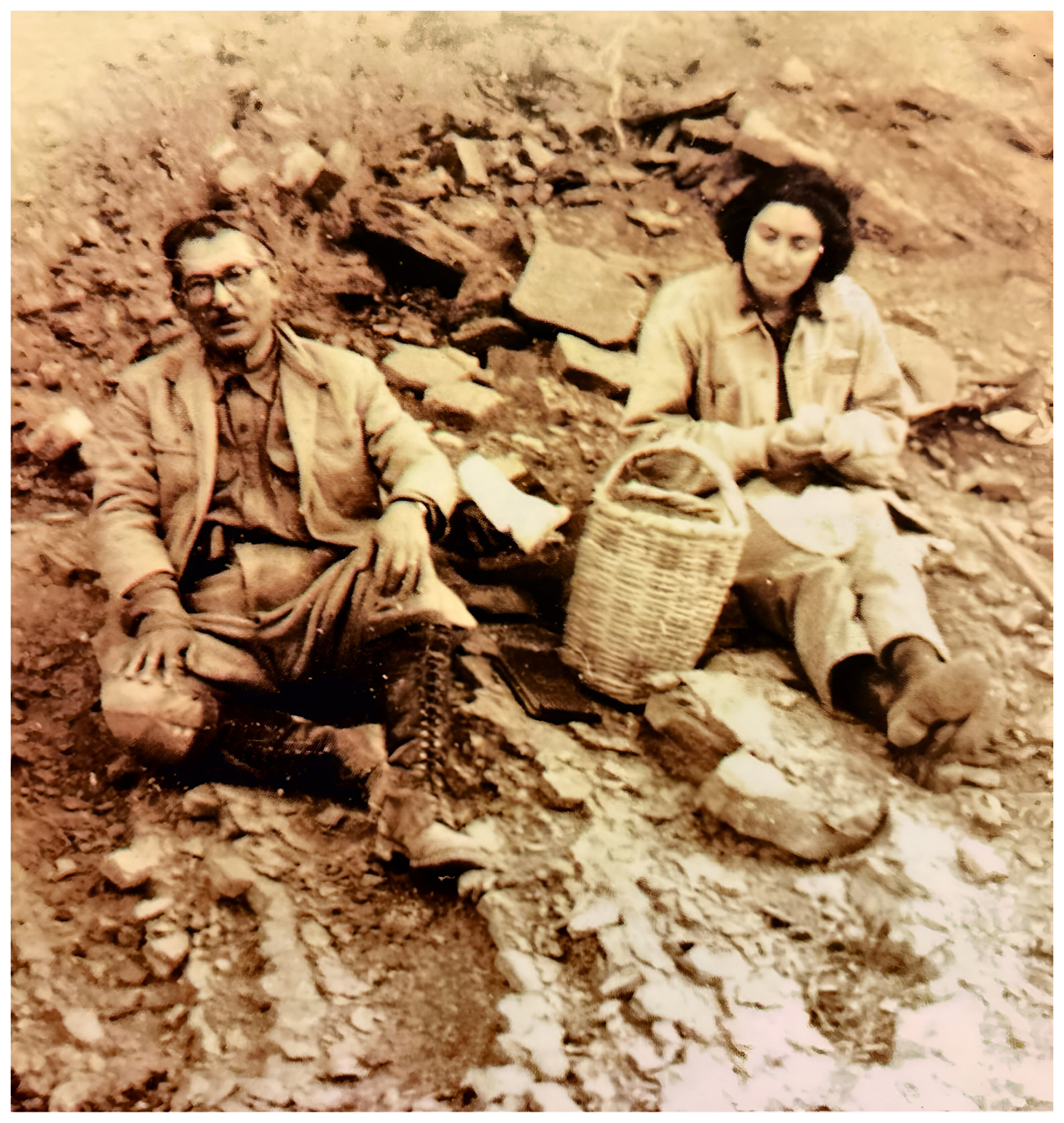
Figure 3Cevat Eyüp Taşman with his wife, Mehlika İzgi Taşman-Ribnikar, during fieldwork. Mehlika, Türkiye's first female petroleum geologist. She served as the well-site paleontologist for critical wells such as Garzan-1 and conducted pioneering quantitative foraminiferal analyses for the correlation of the Adana basin wells. Her legacy extends to founding TPAO's first micropaleontology lab and authoring the foundational handbook “Applied Micropaleontology” (Photo after Özcan, 2006).
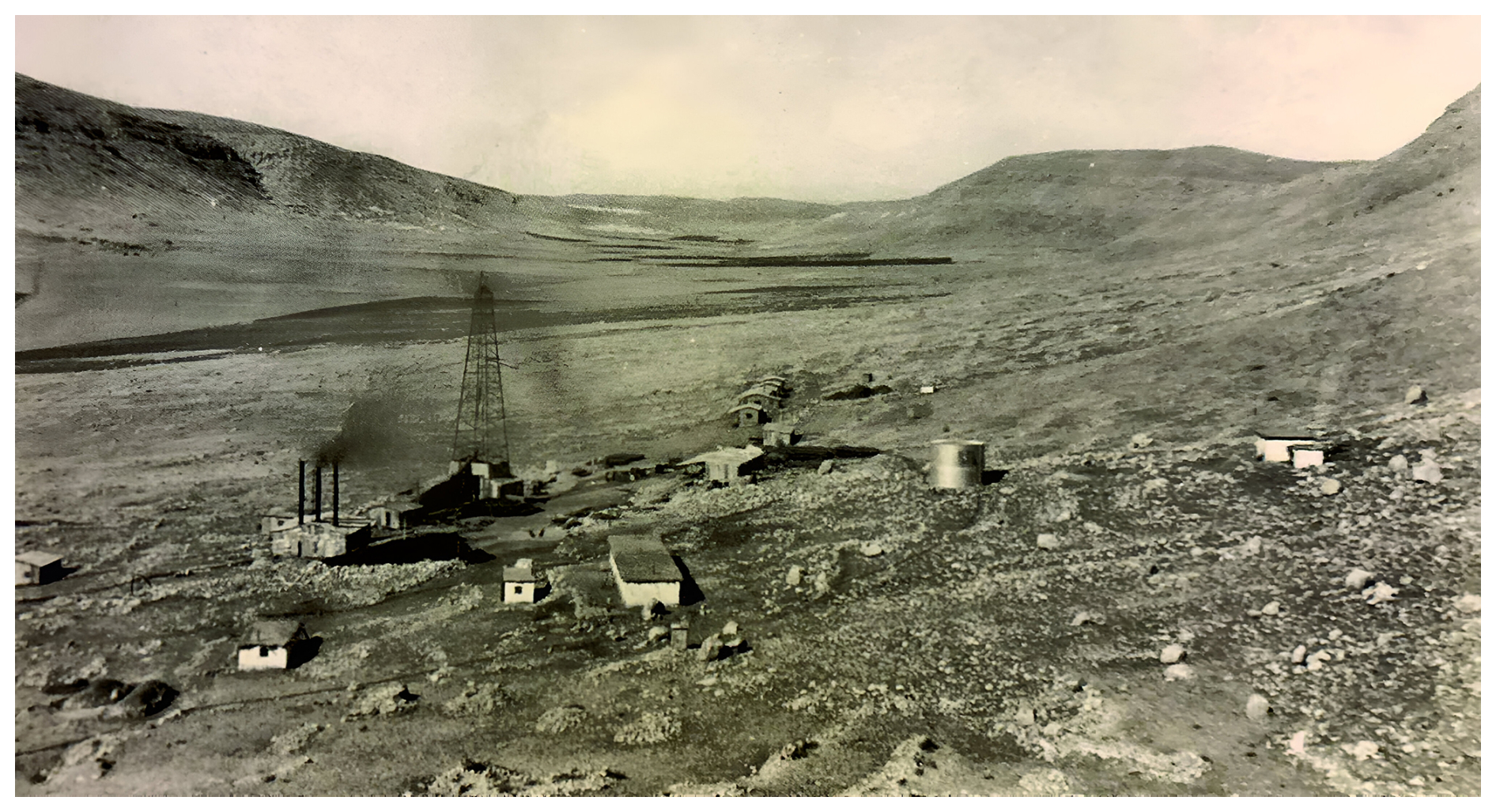
Figure 4The Raman-1 drilling site at Maymune Gorge, 1940. This well, which struck oil 190 at 1048 m, marked Türkiye's first major petroleum discovery and became a symbol of national resilience and technical achievement during World War II-era resource constraints (from Özcan, 2006).
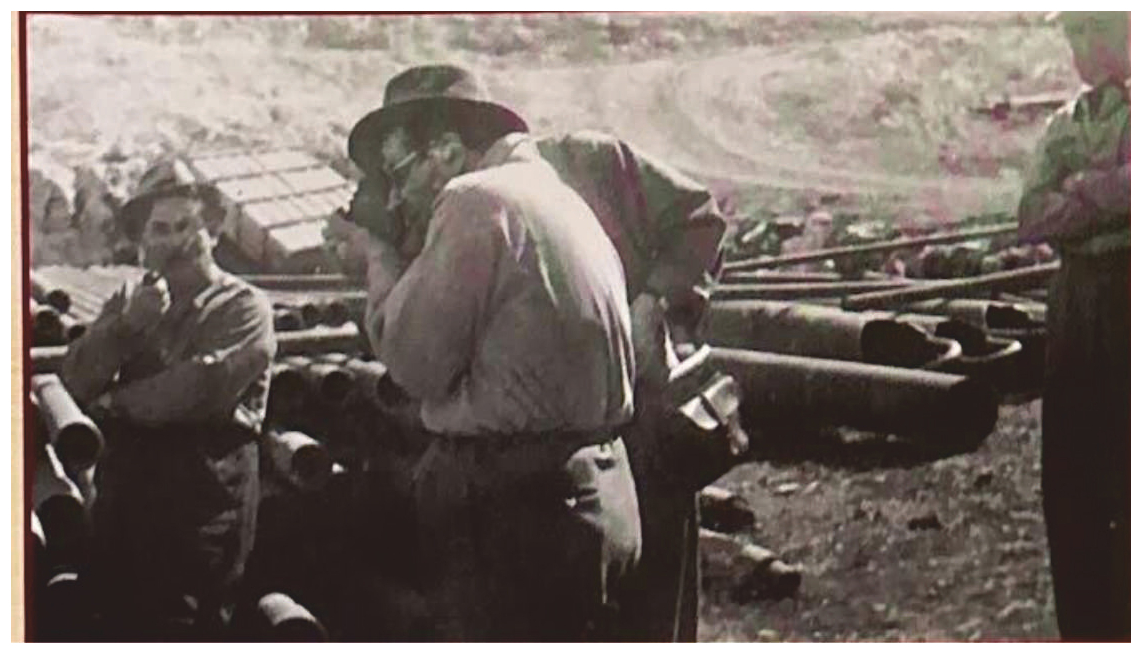
Figure 5Cevat Eyüp Taşman (right) with an American driller at a field site in the late 1930s. The presence of foreign technical personnel underscores the transfer of advanced drilling technology and know-how, which Taşman strategically facilitated to build local capacity (Photo after Özcan, 2006).
4.4 Intellectual Leadership and Public Engagement
Taşman cultivated the intellectual and social foundations necessary for a sustainable national project. He was a pivotal founding member and later president of the Geological Society of Türkiye (1946), an act aimed at unifying the country's geologists under a common professional banner (Ketin, 1985; Sarıgül, 2021b).
His nearly 30 scientific publications educated young Turkish geologists and communicated Türkiye's potential internationally (Taşman, 1949a). However, his most distinctive role was as a “public intellectual.” In an era before formal university courses in petroleum geology, his 1944 Ankara Radio broadcast and public lectures served as vital platforms for public pedagogy (Taşman, 1944a). He deliberately translated specialized knowledge into public understanding, framing energy independence as a relatable national cause to cultivate a supportive “petroleum consciousness”.
4.5 Taşman in Comparative Perspective: Architect of a Hybrid Model
A comparative analysis of Cevat Eyüp Taşman's trajectory illuminates the distinctiveness of the Turkish path to petroleum sovereignty and clarifies what constituted his unique “founding actor” model. Examining the institutional strategies and legal frameworks detailed in the previous sections through a comparative lens reveals a deliberate, hybrid approach. His formation as “critical human capital” originated in the late Ottoman reformist milieu but was fully actualized within the Republic's specific nation-building project, which explicitly linked technological autonomy with political sovereignty (Akcan, 2024). Placing his career against contemporary global models highlights the nuances of this hybrid strategy.
A comparative view clarifies the uniqueness of Taşman's model. Unlike the Soviet Union's ideologically rigid, state-controlled model under figures like Ivan Gubkin, or the Middle Eastern pattern of initial domination by foreign concessionary companies, Taşman's path was a deliberate hybrid (Kontorovich, 2017; Yergin, 2003). He also diverged from the Latin American “nationalization-first” model, where deep technical expertise often lagged behind political action. The Turkish case, with Taşman as its architect, instead sought to first establish a core of national technical sovereignty and institutional capacity within a state framework. This pre-emptive foundation would then strategically manage and integrate foreign technology and capital on its own terms – a hybrid approach perfectly tailored to the Early Republic's blend of étatisme and pragmatic engagement with the West.
Within the Early Republic's cohort of Western-trained technocrats (e.g., Behiç Erkin, Vecihi Hürkuş), Taşman's distinct legacy lies in the strategic, long-term institutional and legal frameworks he designed. While others mastered technology, he architected the enduring structures – the MTA's petroleum directorate, the Petrol Dairesi, and Petroleum Law No. 6326 – that would govern the industry for decades. His work synthesized Western expertise with a staunchly étatist mission, creating this pre-emptive, state-led, yet internationally engaged model for building petroleum sovereignty.
Synthesis of Findings and Historical Significance
This study set out to define the foundational role of Cevat Eyüp Taşman in Turkish petroleum geology by examining the formation of his expertise, the conditions of his return, the challenges he overcame, and the enduring pillars of his legacy. The analysis confirms that Taşman was not merely a technical expert but the central architect of a distinctive, hybrid model for achieving petroleum sovereignty, uniquely tailored to the Early Republic's context of étatism and pragmatic engagement. This research builds upon and extends recent scholarship that positions Taşman as essential “critical human capital” (Akcan, 2024) and examines the broader trajectory of achievements in Turkish petroleum geology (Yalçın, 2024), by delineating the specific, multi-dimensional architecture of his legacy.
The historical significance of Taşman's contributions is crystallized in the four interconnected pillars that transformed Türkiye's national oil enterprise. First, he established the technical-scientific pillar, instigating a paradigm shift from empiricism to a systematic, science-based discipline. He achieved this by importing and adapting modern methodologies – including structural mapping, stratigraphic analysis, and crucially, micropaleontology – thereby aligning Turkish exploration with global standards and creating the intellectual basis for all future work. Second, he forged the institutional pillar through strategic perseverance. As the founding director of the state's exploration bodies, he navigated early failures, bureaucratic skepticism, and wartime constraints to build a durable, state-led “research and application center.” The landmark Raman-1 discovery in 1940 was the vindication of this institution-building approach, proving the state's investment in national expertise could yield success and becoming a cornerstone of national confidence.
Third, Taşman architected the legal-regulatory pillar. Drawing from decades of operational experience, he played a pivotal role in drafting Petroleum Law No. 6326 (1954), which created a transparent, modern framework designed to attract responsible investment while safeguarding national interests. This law provided the stable governance structure necessary for the industry's long-term development. Fourth, he cultivated the intellectual-public pillar. As a founding member and president of the Geological Society of Türkiye, a prolific author, and a pioneering “public intellectual” via radio and lectures, he worked to unify the professional community, educate new generations, and foster a public “petroleum consciousness” aligned with national development goals (Said, 1994).
The findings contribute to several scholarly discourses. For the history of Turkish technocracy, this research provides a detailed case study of how “critical human capital” was identified and deployed to achieve technological autonomy in a strategic sector (Akcan, 2024). From a sociology of science perspective, it illustrates the deliberate institutionalization of a professional scientific community in a late-developing nation, significantly advanced through Taşman's leadership (Ketin, 1985; Sarıgül, 2021b). In terms of energy geopolitics, it delineates a distinct Turkish path that strategically blended étatisme with controlled engagement of foreign expertise, differing from both the Soviet state-control model and the Middle Eastern concessionary system (Kontorovich, 2017; Yergin, 2003).
Several key insights emerge from the analysis. Taşman's scientific identity was forged through a unique synthesis of elite academic training at Columbia University and extensive practical experience in the U.S. petroleum industry – a combination unmatched in Türkiye at the time. His return was catalyzed by a critical convergence of political will, embodied in Minister Mehmet Şakir Kesebir's mandate for “full independence,” and stark technical necessity, facilitated through networks like those of journalist Ahmet Emin Yalman (TBMM, 1933; Yalman, 1997). Upon his return, he confronted immense obstacles, including a near-total lack of infrastructure, bureaucratic skepticism, limited budgets, and early exploratory failures. He overcame these through scientific rigor, strategic adaptation, and unwavering perseverance, evolving from a field manager into a pragmatic institution-builder (Lokman, 1958). The Raman-1 discovery in 1940 was far more than a technical success; it served as a profound psychological turning point that validated the state's investment in national expertise and instilled foundational confidence in the pursuit of energy independence (Yeni Sabah Gazetesi, 1940).
Ultimately, Taşman's legacy is not defined by a single discovery but by the robust, self-reinforcing ecosystem he designed. His career embodies the model of the “state-employed public intellectual” who seamlessly translated specialized knowledge into institutional reality and public awareness. The foundational system he established – characterized by the pursuit of technical autonomy, institutional continuity, legal clarity, and scientific public engagement – set the definitive long-term trajectory for Türkiye's national hydrocarbon endeavors. This framework enabled decades of state-led exploration, fostering the expertise and operational culture necessary to navigate the country's complex geology. His legacy embodies a sober understanding: the ideal of “energy independence” is a long-term pursuit constrained by geological reality. Consequently, his enduring contribution is not a promise of easily tapped abundance, but rather a foundational ethos of building national competency and pursuing the goal with strategic perseverance within the bounds of geological possibility.
Future research could build on this foundation. Comparative studies with other Turkish technocrats in sectors like railways or aviation could further illuminate the Early Republic's unique model of expertise mobilization. A deeper analysis of the public reception of Taşman's popular science efforts would enrich our understanding of science-society relations during the nation-building period. Finally, his strategies for negotiating technology transfer and foreign investment offer valuable historical lessons for contemporary debates on resource nationalism and global energy partnerships.
In an era where energy security remains paramount, Taşman's synthesis of patriotic dedication, scientific rigor, strategic institution-building, and public education stands as a powerful historical example. His story underscores that the most critical resource for a nation's strategic industries is not merely what lies beneath the ground, but the qualified human capital and unwavering will to develop it.
-
Taşman, C. E.: (Djevad Eyoub) Petroleum Possibilities of Turkey, B. Am. Assoc. Petrol. Geol., 15, 629–681, 1931.
-
Taşman, C. E.: Mürefte'de Petrol Aramaları (Search for Oil in Mürefte), MTA Mo., 3, 1936a.
-
Taşman, C. E.: Van Gölü Civarında Korzot Petrolü (Oil at Korzot near Lake Van), MTA No., 5, 1936b.
-
Taşman, C. E.: Türkiye ve Petrol (Turkey and Petroleum), MTA No., 3, 1937a.
-
Taşman, C. E.: Orta Anadolu'nun Tuz Domları (Salt Domes of Central Anatolia), MTA No., 4, 1937b.
-
Taşman, C. E.: Trakya Jeolojisi Hülâsasıile Trakya Petrol AramalarıDurumu (A Geologic Synopsis and Status of Oil Exploration in Thrace), MTA No., 3, 1938a.
-
Taşman, C. E.: Petrol Aramaları-1923'den Evvel ve Sonra, MTA No., 4, 1938b.
-
Taşman, C. E.: Cenubi Türkiye'de Petrol ihtimalleri (Oil Possibilities in Southern Turkey), MTA No., 2, 1939a.
-
Taşman, C. E.: Petrol Aramalarıve Bulma İmkânları, MTA No., 4, 1939b.
-
Taşman, C. E.:Adana Petrol Sondajının Hususiyeti (Some Particulars about Drilling at Adana), MTA No., 2/19, 1940a.
-
Taşman, C. E.: Petrol Bulma İmkânları, MTA No., 4/21, 1940b.
-
Taşman, C. E.: Petrol Bulunması. MTA No., 2/27, 1942.
-
Taşman, C. E.: Gerede-Bolu Depremi, MTA No., 1/31, 1944a.
-
Taşman, C. E.: Bu Devrin Ana ve Ham Maddeleri: Petrol, MTA No., 2/32, 303–307, 1944b.
-
Taşman, C. E.: Tuzlarımız, MTA No., 1/33, 1945a.
-
Taşman, C. E.: Trakya ve Petrol (Thrace and Oil), MTA No., 2/34, 1945b.
-
Taşman, C. E.: Harbolit-Kömürlü bir Asphalt (Harbolite: A Carbonaceous Hydrocarbon), MTA No., 1/35, 1946a.
-
Taşman, C. E.: Varto ve Van Depremleri, MTA No., 2/36, 1946b.
-
Taşman, C. E.: The Stratigraphy of the Alexandretta Gulf Basin, in: Report of the Eighteenth Session, Great Britain, Part VI, International Geological Congress, 1948a.
-
Taşman, C. E.: Türkiye Cenup-Doğu Bölgeleri Stratigrafisi, MTA No., 38, 1948b.
-
Taşman, C. E.: Petrolün Türkiye'de tarihçesi, Maden Tetkik ve Arama Dergisi, 39, 14–22, 1949a.
-
Taşman, C. E.: Drilling for Oil in Turkey, Oil Forum, 1949b.
-
Taşman, C. E.: Türkiye'de Bitümlü Tezahürlerin Stratigrafik yayımı, MTA No., 40, 1950.
-
Taşman, C. E.: On the Oil Possibilities of Turkey with Special Reference to the Raman Field, in: Proceedings of the Third World Petroleum Congress, The Hague, the Netherlands, 1951.
-
Taşman, C. E.: Petrol Aramalarında Stratigrafinin Önemi, Türkiye Jeoloji Kurumu Bülteni, IV, 1, 1953.
-
Taşman, C. E.: Turkey's Oil Prospects Inviting, The Petroleum Engineer, 26, 9, 1954.
-
Taşman, C. E.: Evidences of Oil and Gas Associated with Igneous Rocks in Turkey, in: Proceedings of the XX International Geological Congress, Mexico City, Mexico, 1956.
No data sets were used in this article.
The author has declared that there are no competing interests.
Publisher's note: Copernicus Publications remains neutral with regard to jurisdictional claims made in the text, published maps, institutional affiliations, or any other geographical representation in this paper. The authors bear the ultimate responsibility for providing appropriate place names. Views expressed in the text are those of the authors and do not necessarily reflect the views of the publisher.
The author would like to thank the Turkish Petroleum Corporation (TPAO) for their support. I would like to express my special appreciation and thanks to Kristian Schlegel as the topical editor for editing. I would like to acknowledge the referee Volkan Sarıgül and Nilgün Okay, for their useful remarks and positive comments. Additionally, I am appreciative of Fatih Köroğlu insightful comments, edits, and suggestions regarding the text.
This paper was edited by Kristian Schlegel and reviewed by Vollkan Sarıgül and Nilgün Okay.
Akcan, S.: Osmanlı'dan Cumhuriyet'e Petrole Adanmış Bir Ömür; Cevat Eyüp Taşman'ın Hayatıve Çalışmaları, Dicle Univ. Soc. Sci. Enst. J., 37, 337–359, https://doi.org/10.15182/diclesosbed.1451660, 2024.
Akcan, S. and İdem, T.: Batman ve petrol tarihi Batman'da petrolün bulunması, kente sosyoekonomik ve sosyokültürel etkileri (1940–1970), Sonçağ Akademi, Ankara, Turkey, ISBN 978-625-6614-52-9, 2023.
Ayhan, İ.: Eğitim amacıyla yurt dışına gönderilen öğrenciler (1908–1922): prosopografik bir çalışma örneği, PhD thesis, Hacettepe University, Ankara, Turkey, https://tez.yok.gov.tr/UlusalTezMerkezi/tezDetay.jsp?id=9NdtcRehvEYyxJh9KWi00w&no=PMdbRejueAbvPVuD2_nUCg (last access: 19 March 2026), 2021.
BCA: Document 30-18-01-02/36-40-20, Prime Ministry Republican Archives, Ankara, Turkey, 1933.
BCA: Document 30-18-01-02/92-74-7, Prime Ministry Republican Archives, Ankara, Turkey, 1940.
BOA: Document MF. MKT. 1105-31, Ottoman Archives, Istanbul, Turkey, 1911.
Columbia University Alumni Register: Columbia University Alumni Register 1754–1931, Columbia University Press, New York, USA, 1932.
Ediger, V. S.: Osmanlı'da Neft ve Petrol, ODTÜ Geliştime VakfıYayıncılık, Ankara, ISBN 9789757064954, 2006.
Ketin, İ.: Türkiye Jeoloji Kurumu'nun 40 yıllık geçmişi ve geleceği, Yeryuvarıve İnsan, 10, 4–6, 1985.
Kontorovich, A. E.: I.M. Gubkin's paradigm of the development of the USSR oil industry in the 20th century, Russ. Geol. Geophys., 58, 283–293, https://doi.org/10.1016/j.rgg.2016.12.005, 2017.
Leonard, J. W.: Who's who in engineering a biographical dictionary of contemporaries, Who's Who Publications, John W. Leonard Corporation, New York, USA, 1925.
Levermore, C. H.: Samuel Train Dutton, a biography, The Macmillan Company, New York, USA, ISBN 9780795014512, 1922.
Lokman, K.: Ramandağ petrolü, MTA Mecmuası, 20, 306–311, 1940.
Lokman, K.: Cevat Eyüp Taşman Türk jeoloji âleminin büyük bir kaybı, MTA Dergisi, 49, 158–163, 1957.
Lokman, K.: Memleketimizde petrol araştırmaları, Bulletin of the Geological Society of Turkey, 6, 91–114, 1958.
Mason, S. L.: Geology of prospective oil territory in Republic of Turkey, Bulletin of American Association of Petroleum Geologists, 14, 687–704, 1930.
MTA: MTA Enstitüsü faaliyetleri 1953 ve 1954 yılında yapılan başlıca işler, MTA Derg., 46–47, 133–145, 1955.
Okay, N.: The first female petroleum geologist, Mehlika İzgi Taşman Ribnikar (1912–2007), Mavi Gezegen, 32, 5–12, 2024 (in Turkish).
Özcan, H. E.: Fotoğraflarla Ulusal Petrol: 1929–1954, TPAO Arama Daire Başkanlığı, Arşiv ve Tarih Yayınları, vol. 1, Ankara, Turkey, Türkiye Petrolleri Anonim Ortaklığı Yayınları. Arama Daire Başkanlığı Arşiv ve Tarih Yayınları, vol. 1, 2006.
Petrol Dairesi: Türk Petrol Kanunu ve 1956 petrol faaliyetleri, TC Petrol Dairesi Neşriyatı, Ankara, Turkey, 1957.
Said, E. W.: Representations of the Intellectual: The 1993 Reith Lectures, Vintage Books, New York, USA, ISBN 9780679761273, 1994.
Sarıgül, V.: A short history of paleontology in Turkey, part I: From the nineteenth century to the collapse of Ottoman Turkey, Earth Sci. Hist., 40, 158–201, 2021a.
Sarıgül, V.: A short history of paleontology in Turkey, part II: Paleontology in the Republic of Turkey, Earth Sci. Hist., 40, 202–243, 2021b.
Taşman, M. İ.: Preliminary observations on Ramandağ field based on subsurface data, MTA Bull., 40, 55–59, 1950.
Taşman, M. İ.: Foraminiferlerin Kantitatif Analizlerine Müsteniden Adana Kuyularının Korelasyonu, MTA Bull., 49, 44–47, 1957a.
Taşman, M. İ.: Correlation of Adana Wells by means of Quantitative Analysis of Foraminifera, MTA Bull., 49, 56–59, 1957b.
Taşman, M.: Correlation of Adana wells by means of quantitative analysis of foraminifera, Bulletin of the Mineral Research and Exploration, 49, 56–59, 1957c.
Taşman-Ribnikar, M. İ.: Tatbiki Mikropaleontoloji, MTA Yayınları, Eğitim Serisi, No. 15, Ankara, Turkey, 1975.
TBMM: Dönem 4, İ 54, C 2, Cilt 15, 20 May 1933, Turkish Grand National Assembly, Ankara, Turkey, 1933.
TBMM: Dönem 27, Yasama Yılı2, Cilt 11, B 48, 5 February 2019, Turkish Grand National Assembly, Ankara, Turkey, 2019.
Uluğbay, H.: İmparatorluk'tan Cumhuriyet'e Petropolitik, Deki Yayınevi, Ankara, ISBN 9789944492225, 2008.
Yalçın, M. N.: Cumhuriyetimizin ilk Yüzyılında Petrol Jeolojisinde Başarılanlar, Mavi Gezegen, 33, 24–33, 2024.
Yalman, A. E.: Yakın tarihte gördüklerim ve geçirdiklerim-1 (1888–1922), Pera Turizm ve Ticaret A.Ş. Yayınları, Istanbul, Turkey, ISBN 9786254297489, 1997.
Yergin, D.: Petrol-para ve güç çatışmasının epik öyküsü, Türkiye İş BankasıKültür Yayınları, Istanbul, Turkey, ISBN 9789754580631, 2003.
- Abstract
- Introduction
- Materials and Methods
- Taşman's Life and Career: A Biographical Sketch
- Analysis of Taşman's Foundational Legacy
- Discussion and Conclusion
- Appendix A: Cevat Eyüp Taşman – publications 1931–1956
- Data availability
- Competing interests
- Disclaimer
- Acknowledgements
- Review statement
- References
- Abstract
- Introduction
- Materials and Methods
- Taşman's Life and Career: A Biographical Sketch
- Analysis of Taşman's Foundational Legacy
- Discussion and Conclusion
- Appendix A: Cevat Eyüp Taşman – publications 1931–1956
- Data availability
- Competing interests
- Disclaimer
- Acknowledgements
- Review statement
- References