the Creative Commons Attribution 4.0 License.
the Creative Commons Attribution 4.0 License.
 | 08 Sep 2026
Observations of mesospheric clouds in Latvia in 1957–1983

Until the 20th century, specifically until the 1980s, there were very few instruments for studying the upper layers of the atmosphere. Therefore, great importance was attached to the observation of mesospheric clouds (MCs) at an altitude of about 82 km, including amateur observations. The reason for this importance is that these observations of MCs take place where they have not been seen before and, in particular, present possible evidence of the connection of MC appearance and parameters with the effects of climate change. Therefore, the study of the state and dynamics of the mesosphere and the analysis of long-term processes have become urgent scientific tasks.
Long-term visual and photographic observations of MCs were carried out at the Latvian branch of the All-Union Astronomical and Geodesic Society. These observations started during the International Geophysical Year of 1957 and continued until 1983, that is, for 26 years. Observations were mostly carried out according to a uniform, internationally recognized methodology, which has made it possible to obtain a unique, methodically comparable series of observations in terms of duration. This article summarizes information about the content of the archive materials and the information obtained from them regarding the observation points and the photographic technique used, as well as an overview of the materials obtained during the observations and their content. This archive is of reasonable importance to continuing work and performing in-depth data processing. The digitized observation logs and the text appendices are available in the LU e-resources repository at https://dspace.lu.lv/handle/7/67138 (LAS, 2022). The observation logs are in Latvian, but online translators were successfully used for the purposes of this article.
- Article
(4807 KB) - Full-text XML
- BibTeX
- EndNote


Mesospheric or so-called noctilucent clouds (MCs) are one of those few natural phenomena where, even nowadays, even very simple visual or photographic observations can make a significant contribution to the understanding of the phenomenon itself and the processes related to it. First of all, this is related to the statistics of MC observability itself, which can be related to various processes both in the Earth's atmosphere and in outer space. After some loss of interest in the second half of the 1980s, in the last decade, the interest in observing MCs has increased dramatically. MCs were observed in places where they had not been visible before (Taylor et al., 2002; Nielsen et al., 2011; Hodorenko, 2022); there is also debatable evidence of the association of the appearance of MCs with the effects caused by climate change (Lübken et al., 2018). It should be noted that it is difficult to determine the actual long-term trends in Noctilucent clouds (NLC) height changes as they can be masked by trends inherent to the solar cycle. It should also be noted that the method of triangulation from photographs introduces its own error and may not be sufficiently accurate. Several authors (Kirkwood et al., 2008; Pertsev et al., 2014; Dalin et al., 2020) believe that such long-term trends have not been found, but these authors analyze NLC statistics and some physical parameters, while Lubken et al. (2018), among others, indicates a clear downward trend in the average height of the lower boundary of the NLC, which has become significantly faster since the 1960s.
The study of the state and dynamics of the mesosphere and the analysis of long-term processes have therefore become urgent scientific tasks (Fiedler et al., 2017), which, taking into account the nature of the phenomenon and the environment under study, can only be effectively carried out within the framework of international cooperation, and MC observations from the ground are an important component of this task.
Long-term visual and photographic observations of this natural phenomenon were made at the Latvian branch of the All-Union Astronomical and Geodesic Society (AUAGS; since 1990 – Latvian Astronomical Society, LAS). These started during the International Geophysical Year (IGY) of 1957 and continued until 1983, i.e., 26 years. The observational materials have been accumulated in the LAS archive, which has been preserved as far as possible by the Museum of the University of Latvia (UL). The archive contains observation logs from the mentioned period and more than 2000 large-sized photo negatives. Some observation logs have unfortunately been lost because, in the 1990s, the museum changed location and custodians several times. Photo negatives taken after 1967 have also not survived.
Observations were mostly carried out according to a uniform, internationally recognized methodology (Grishin, 1957), which has made it possible to obtain a series of observations that is unique in terms of duration. With some minor modifications, this methodology is also used in modern citizen science all over the world (Romejko, 1990, 2003; Gadsden and Parviainen, 2006); the classification of morphological forms of MCs has been supplemented (WMO, 2022; NLCNET, 2022).
At the same time, it should be noted that these data have only been processed to a very small extent and published to an even smaller extent. The processing took place mostly in accordance with concrete, narrowly specific tasks of the IGY and the AUAGS. Most of the results are found only in special reports, which are not published; the few publications (e.g., Edgar Mūkin's article on the results of MC height determination) were in sources that are no longer available today and are known only from these same reports. However, the analysis of the series of obtained data and their details can provide important information about the processes observed in the mesosphere in previous years, their dynamics, and the possible connection with the meteorological conditions on Earth. Considering the peculiarities of current observations, there is reason to think that it is also possible to obtain information about the nature of climate change during the observation period, which, in this context, has become quite important in the literature (Gadsden and Taylor, 1994; Oliveiro and Thomas, 2001). There are not many long lines of NLC observations (e.g., the one mentioned by Romejko et al., 2003, for Moscow, 1962–2001). Pertsev et al. (2014) and Dalin et al. (2020) refer to later years (since 1990) for the same place. Therefore, adding another one (LAS, 2022) will, in any case, improve our knowledge of the long-term dynamics of the NLC and the mesopause.
2.1 Sources
The historical evaluation of MC observations made in Latvia is based on the following main groups of sources:
-
reports to the central council of the AUAGS on the MC observation work carried out by the Riga (later – Latvia) branch (RB; LB);
-
field observation logs, in which the observers recorded the data required in the observation methodology directly and in real time (news about MC, meteorological data, and notes on the photographs taken);
-
archive of original photo negatives.
In the LAS archive, there are two reports on the observation of MCs in preparation for the IGY, as well as during the IGY (Dīriķis, 1957, unpublished; Dīriķis and Bērziņš, 1958, unpublished). These are copies of the reports sent to the central board of the AUAGS, and they are typewritten in Russian. The reports contain information about the observation points and their equipment, and they describe the observation season and the main results obtained during this time. The information discussed below about the observation points and observations during the IGY is obtained directly from these reports.
2.2 Observation points
In the territory of Latvia, regular MC observations within the framework of joint programs have taken place in four places: Baldone, Lielauce, Riga, and Sigulda (Fig. 1). The main information about observation points is shown in Table 1. Observation log journals have survived from Riga, Baldone, and Sigulda.
In Riga, the observations initially took place at 34 Gorkija (now Kr. Valdemāra) street on the roof platform of a six-story residential building. However, in 1958, shortly after the beginning of the observation season, due to technical reasons, the observation site was moved to Riga Palace, where the cultural center of the ideological children's organization “Pioneers” was located at the time. Observations in one of the palace towers began in the middle of July 1958 and continued until at least 1960. In the later years, observations took place in Riga within the territory of the Astronomical Observatory of the UL (now the satellite laser ranging station of the Institute of Astronomy of the UL; see Fig. 3). At the observation point, there was a photo camera ( ), binoculars, a wide-angle theodolite, and a radio receiver for receiving accurate time signals. During the IGY, the work was led by Ernests Grasbergs, a student at the UL. After 1966, this work was conducted systematically, but, after 1969, no sightings were recorded in Riga, and all activity was recorded only in Sigulda.
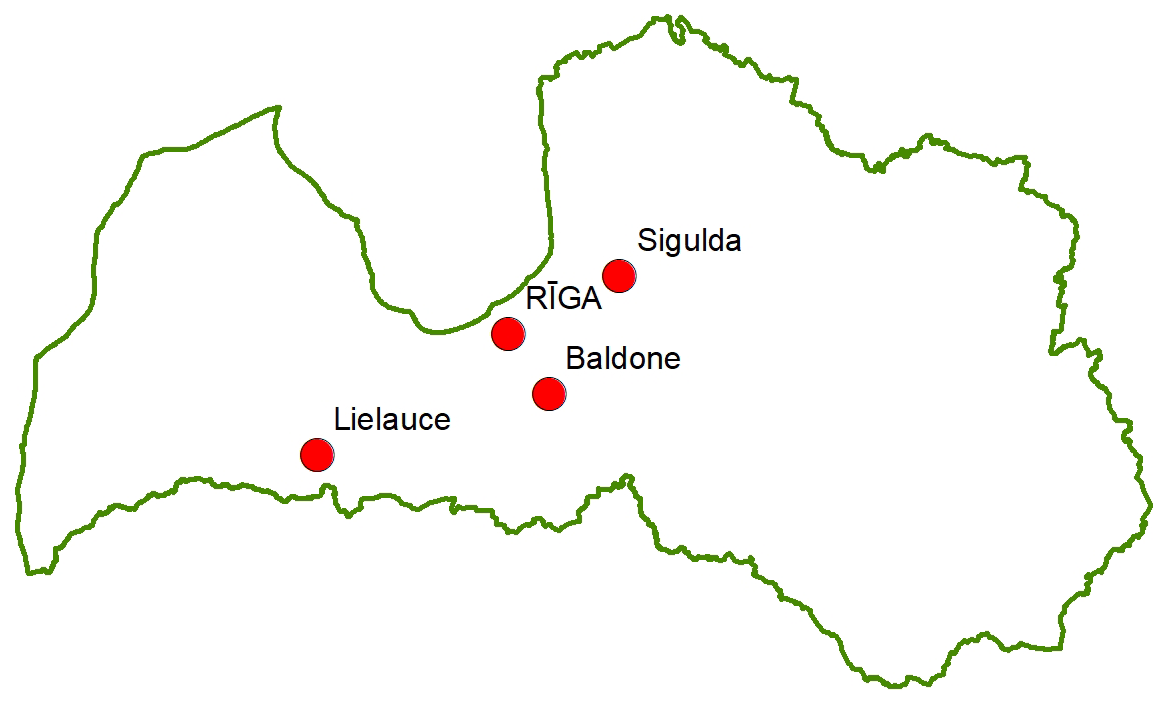
Figure 1Location of MC regular observation points in Latvia during the IGY (figure in color).
In Sigulda, the observation point was located in the territory that used to be at the disposal of the AUAGS RB. This territory was granted to the association for use by the decision of the local administration in 1956, and, already, that year, a special pavilion for MC observation was built (Fig. 2). Observations began in 1957 and took place there until 1983. The observation point was well equipped. It housed the aerial photo cameras AFA-IM and NAFA-3s on a masonry pillar with a deep, stable foundation. Other instruments include a light-capable wide-angle theodolite, a geodetic theodolite, and binoculars. The needs of the weather service were served by a radio receiver for receiving precise time signals, marine chronometers, and an aviation chronometer, and, in the 1980s, a quartz clock was also added. During all observation periods, the activity of the point was managed by Matīss Dīriķis, a scientific associate of the AO UL.
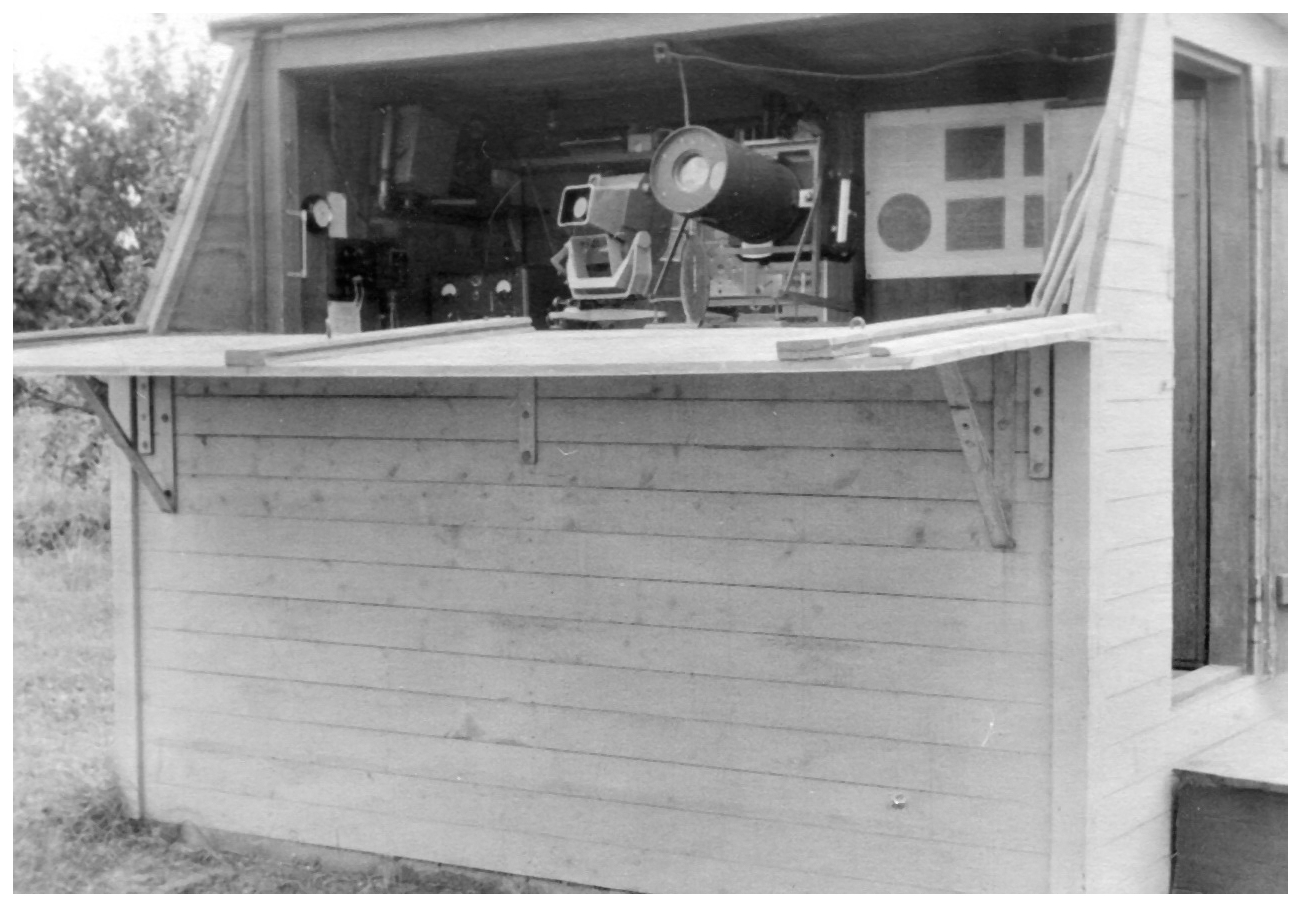
Figure 2MC observation pavilion at the AUAGS Riga Branch observatory in Sigulda. Photo by Matīss Dīriķis, 1958.
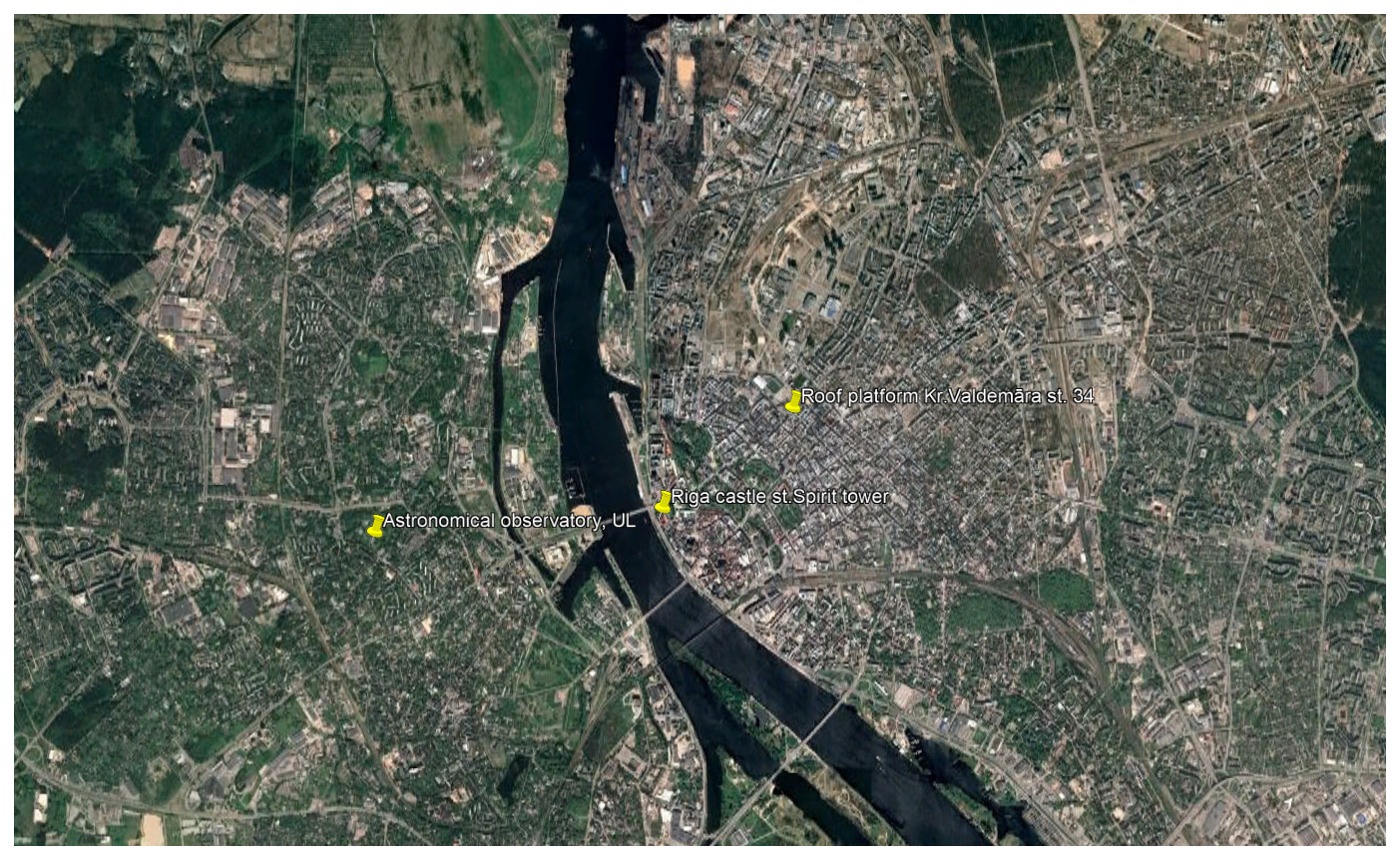
Figure 3Places where MC observations took place in Riga. Background map: Latvian Geospatial Information Agency.
In the center of the photo in Fig. 2 are the wide-film cameras AFA-IM and NAFA-3s. The thermometer and barometer used in the observations can be seen on the left side. The opening of the pavilion is oriented towards the north. The pavilion, also called the “Cloud Hut”, remained there until the end of the observatory's existence in 1993; however, from 1988, it was no longer usable due to the deterioration of the wooden structures.
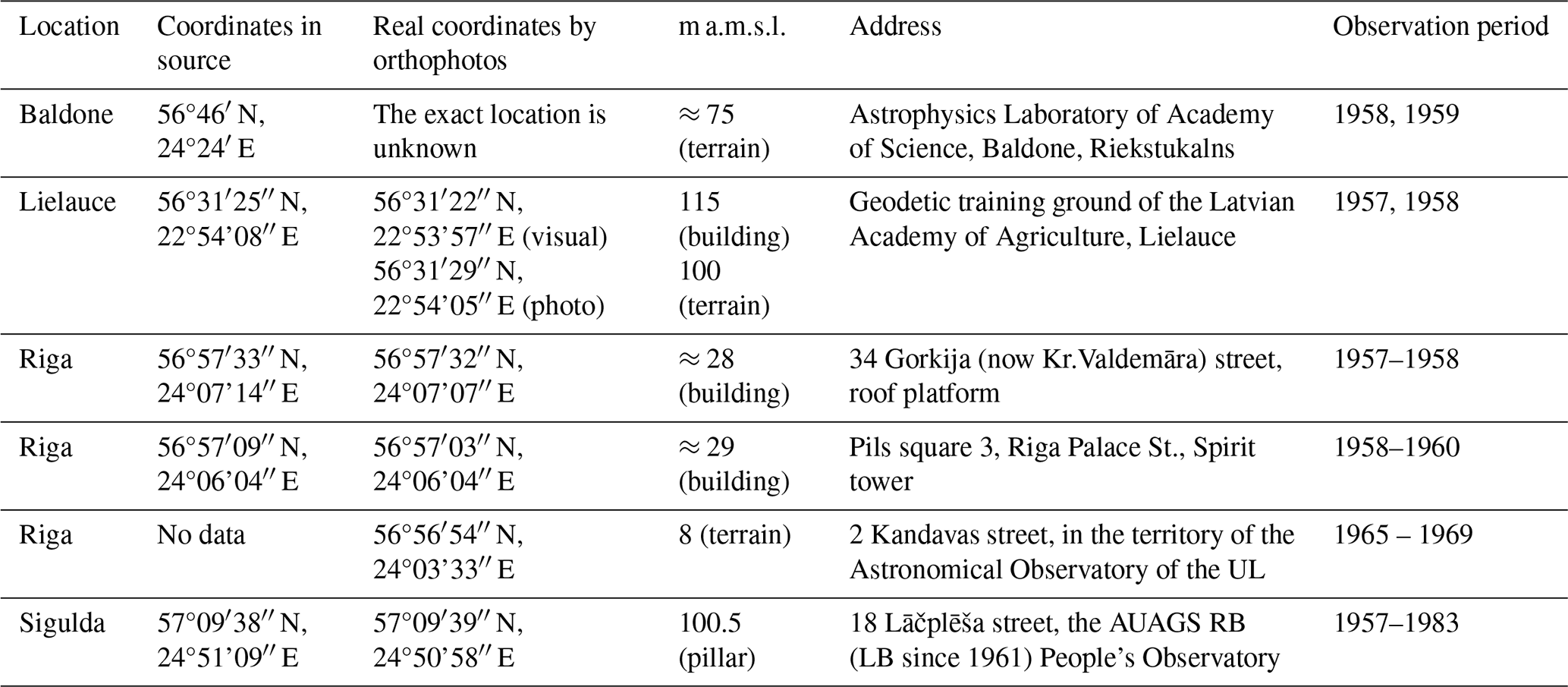
The Lielauce observation point was located in the territory of the Latvian Agricultural Academy (LAA; now – University of Biosciences and Technologies) geodetic training ground. The observation area was on the southern bank of the lake, where the horizon was completely clear, but there was no pavilion. Therefore, visual observations were made from the balcony of Lielauce Castle (where the LAA training base was located at the time), but in the event of the appearance of MMs, it was possible to get to the 250 m distant observation area within a few minutes, where it was possible to quickly install the AFA-IM camera. For this purpose, a brick post built for the geodesy polygon was used. Looking from the building, the horizon on the northwestern side was partially covered by the trees of the park, and so a fully fledged observation point could not be installed there. The observers also had the geodetic instruments of the LAA training base at their disposal. The work at the observation point in 1957 and 1958 was led by LLA geodesy lecturer Ludvigs Ozols. There are no reports of sightings at this location after 1958. Observation logs have not been preserved either, but in the Riga logs, we find notes that MCs were observed at Lielauce.
Observations in Baldone took place in the territory of the Astrophysics Laboratory of the Academy of Sciences of the Latvian SSR (now – Baldone Observatory of the Institute of Astronomy, UL). An observation pavilion should have already been built there in 1957, but this was not done. Therefore, in 1958, observations at this location were made only visually and only during the period when observations in Riga were not possible. Dagne Melnāre was responsible for the observations. In 1959, fully fledged (i.e., also photographic) observations took place there, but there is no news about later years. It was also not possible to identify the exact location of the observations; therefore, the coordinates are known only with the accuracy mentioned in the reports (i.e., up to an arc minute).
2.3 MC observation logs and their digitization
In the archive of the LU museum, it was possible to find journals that testified to MM observation work at observation points in Riga, Baldone, and Sigulda. Riga observation logs were from 1957 to 1969, missing 1962. The records of the Sigulda observation point refer to the period from 1958 to 1983, missing 1957, 1968, and 1970–1972. The observation point in Baldone is represented by one year, 1959. In 1958, the log journal was started in Baldone, but the second half of the season was continued in Riga. Observation logs from the Lielauce point have not been found.
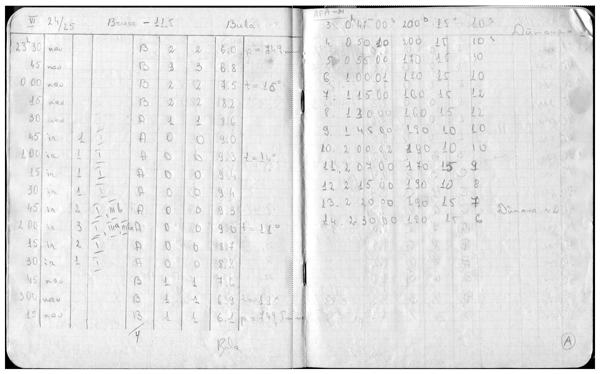
The observation logs were digitized in the form of MS Excel tables; this work was done by the author of the article and volunteer assistants, namely the students J. Stepanova and Jānis Biķis. In order to avoid arbitrary interpretations, a small instruction was prepared for the volunteers, providing an explanation of the work to be done. A separate Excel file with four sheets was created for each year. Page 1 lists the data entrant, provides key information about the observation point, and provides explanations to aid in understanding the subsequent material. Page 2 contains a list of observation nights and observers, information about clocks and their correction, and pre-processing data relating to MC observation and the number of photographs taken. Page 3 contains a full record of night observations, including data relating to MC detection, brightness, information on morphological forms, and meteorological parameters. Page 4 contains information about the photos taken.
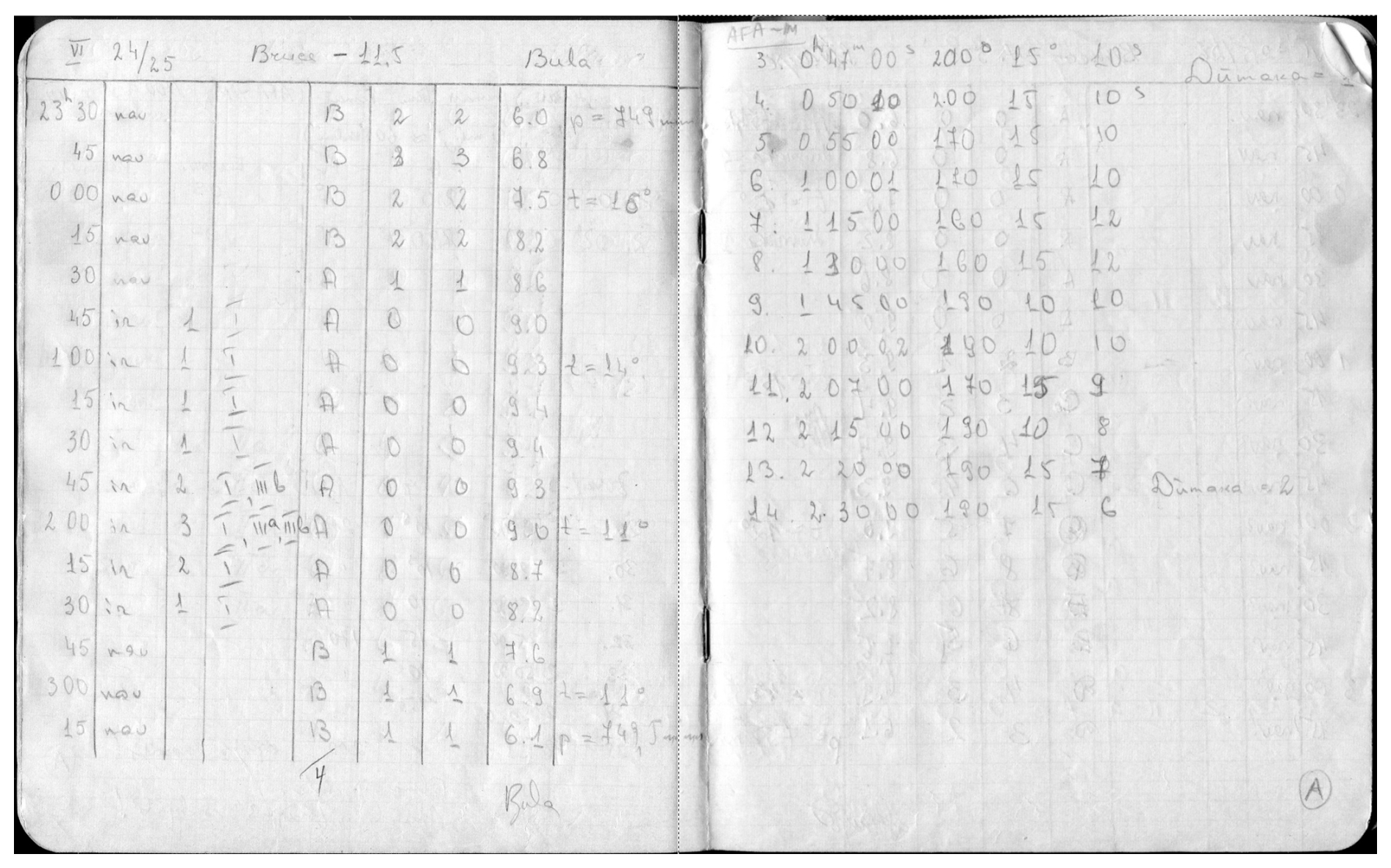
Figure 4Opening of the observation log with MC and meteorological observation notes and information about the photos taken. Year: 1976. Image provided by the author.
Table 2Sample of digitized observation log, same as in Fig. 4.
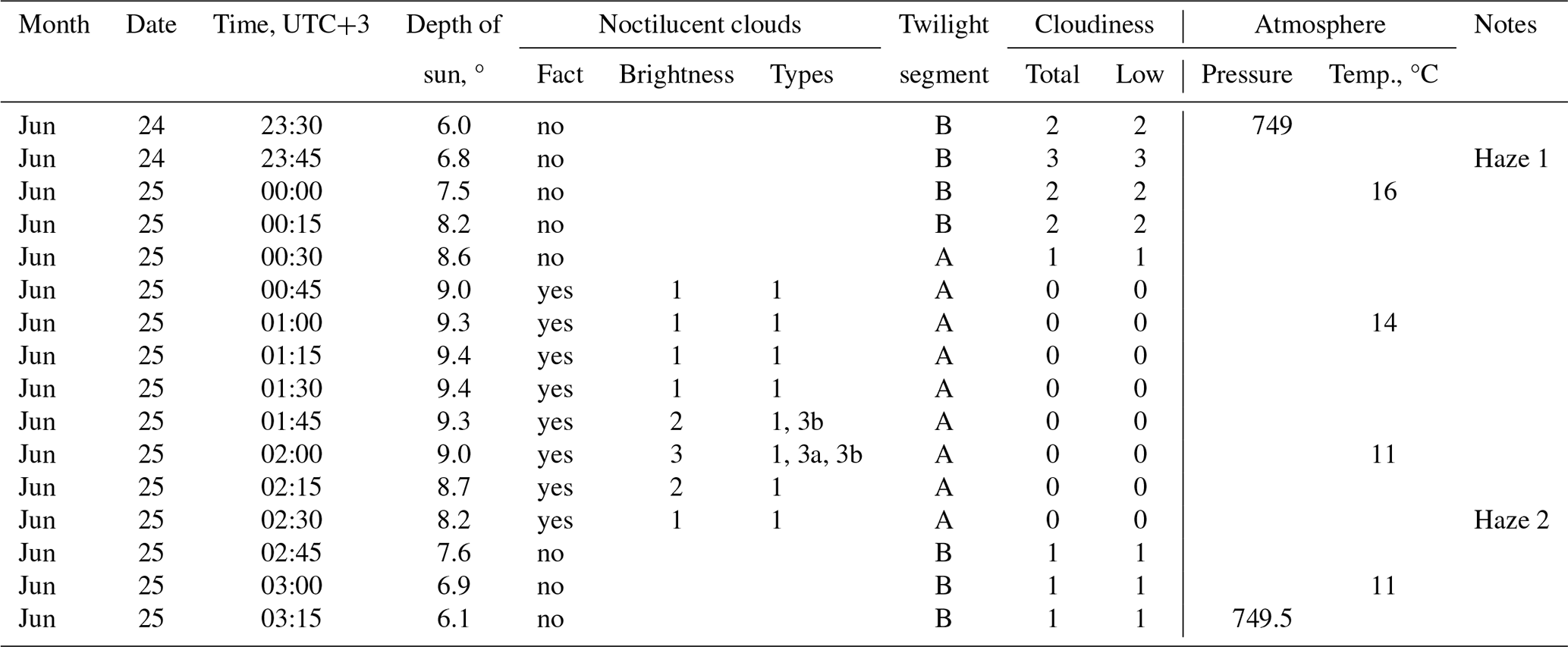
Sometimes logs contain entries (notes) that are too long to fit comfortably into an Excel sheet cell. Therefore, only a reference to such notes has been placed in the relevant place; these notes can be found in the Appendix in a text file.
Almost all observation entries in logs have been made in accordance with the requirements of the methodology (example in Fig. 4). For reasons that are difficult to understand, the requirement to take notes of observations only in pencil was introduced at the time of the IGY and later remained. Sometimes, probably due to the lack of experience of the observers, the parameters of the observed MMs (brightness, morphology) were not fixed.
Initially (1957, partially until 1960), the notes were made in Russian. In these cases, the digitized version is a Latvian translation made by the author (the author is fluent in Russian). In some places, the use of the Cyrillic alphabet has caused difficulties for the observers, who, in most cases, have been Latvians: the letters “D” and “ ” are represented in the handwriting in the same way but correspond to different degrees of coverage of the twilight segment (respectively, D and E); the same applies to “B” and “
 ”. The latter clearly corresponds to the letter “B” of the Latin alphabet, but the first, which is written like the Latin “B”, is the third letter of the alphabet in Cyrillic and represents the grade C. The records of the Riga observation point for 1967–1969 are very incomplete. In 1967, it is obvious that they were carried out practically only on those nights when MCs were observed. Regarding 1968 and 1969, observational data (or lack thereof) do not allow this to be stated with certainty. In the first years, meteorological conditions were not recorded for some of the observations in Riga.
In Fig. 4, at the top of the page, the month and date of the observations, the clock used, and its correction according to precise time signals are marked. On the right side is the observer's signature.
On the left, in the first column is the time of the observations, in the second column is the fact of the NLC detection, and columns 3 and 4 show the brightness of the NLC and morphological forms. Next, the visibility of the twilight segment is denoted by A (completely clear) to F (completely obscured), total cloudiness is denoted by 0 (completely clear) to 10 (completely cloudy), and low clouds are ranked from 0 to 10 out of 10. In the last column, atmospheric pressure, temperature, and notes on weather conditions (rain, fog, etc.) are provided.
On the right are descriptions of the photographs, including image no., time of capture, camera azimuth, altitude, and exposure time. On the right side, there may be notes on the observation conditions, NLC features, etc.
2.4 Visual observations
Systematic observations of MCs which took place in the territory of Latvia in the period from 1957 to 1983 were mostly carried out in accordance with the methodology described in Grishin (1957) and Bronshtein and Grishin (1970), observing some of the above-mentioned nuances and later additions.
Observations during the IGY season began in March and lasted until the end of October, and, in the later period, observations were made, on average, from the beginning of June to August. The results of the observations were recorded in a certain sample journal, which was arranged separately for each year (exceptions: Riga, where the 1966–1969 journals are in one volume, and Sigulda for 1981 and 1982).
In visual observations, the visibility and typology of MCs were recorded at the beginning of every quarter of an hour, with the time recorded to the minute. Clock correction, if used, was noted at the beginning of the observation session. The recording of the moments of time in Sigulda was ensured by the marine chronometer made by the company J.Bruce&Sons around 1900; later, a similar Thomas Mercer instrument, whose correction was marked by accurate time signals from dedicated AM band time signal transmitters, was also used. Sometimes the aviation chronometer was used in parallel. From 1981, a “household-type” quartz clock was used, and in 1983, a quartz clock built by Valdis Gedrovics, an amateur astronomer and electronic engineer, was used. At the other observation points, radio time signals were listened to, after which the hand (sports) stopwatch was started at the beginning of the first full hour of observation. In observations at 2 Kandavas street, the observatory's time service quartz clock was also sometimes used.
Air temperature and pressure were recorded only in observations at Sigulda, starting from 1964. Sometimes, if the weather and its forecast for the evening were deemed to be “hopeless” – E/10/10 (see explanation in Fig. 4) – the observers would not be on duty all night but rather would only note such conditions for some periods at the beginning of the observations or even in the immediate moment and then would have discontinued the observations. In Riga, meteorological parameters were not fixed at all for some years. Observers have sometimes made logical errors in cloudiness estimation. For example, the total cloudiness is rated with a lower reading than the low clouds, or, at cloudiness indicators of 10/10, the cover of the twilight segment is rated as D. However, such errors are rare. In the early observations in Riga, smoke from factory chimneys was quite often mentioned as a factor disturbing the observations: north of the observation sites in the center of Riga is the industrial district of the Port of Riga. In this regard, an interesting conclusion is made regarding atmospheric industrial pollution and air quality; for many years (at least since the mid-1980s; author's observation) nothing similar has been observed in the city.

2.5 Photographic observations
2.5.1 Photo archive of MC observations
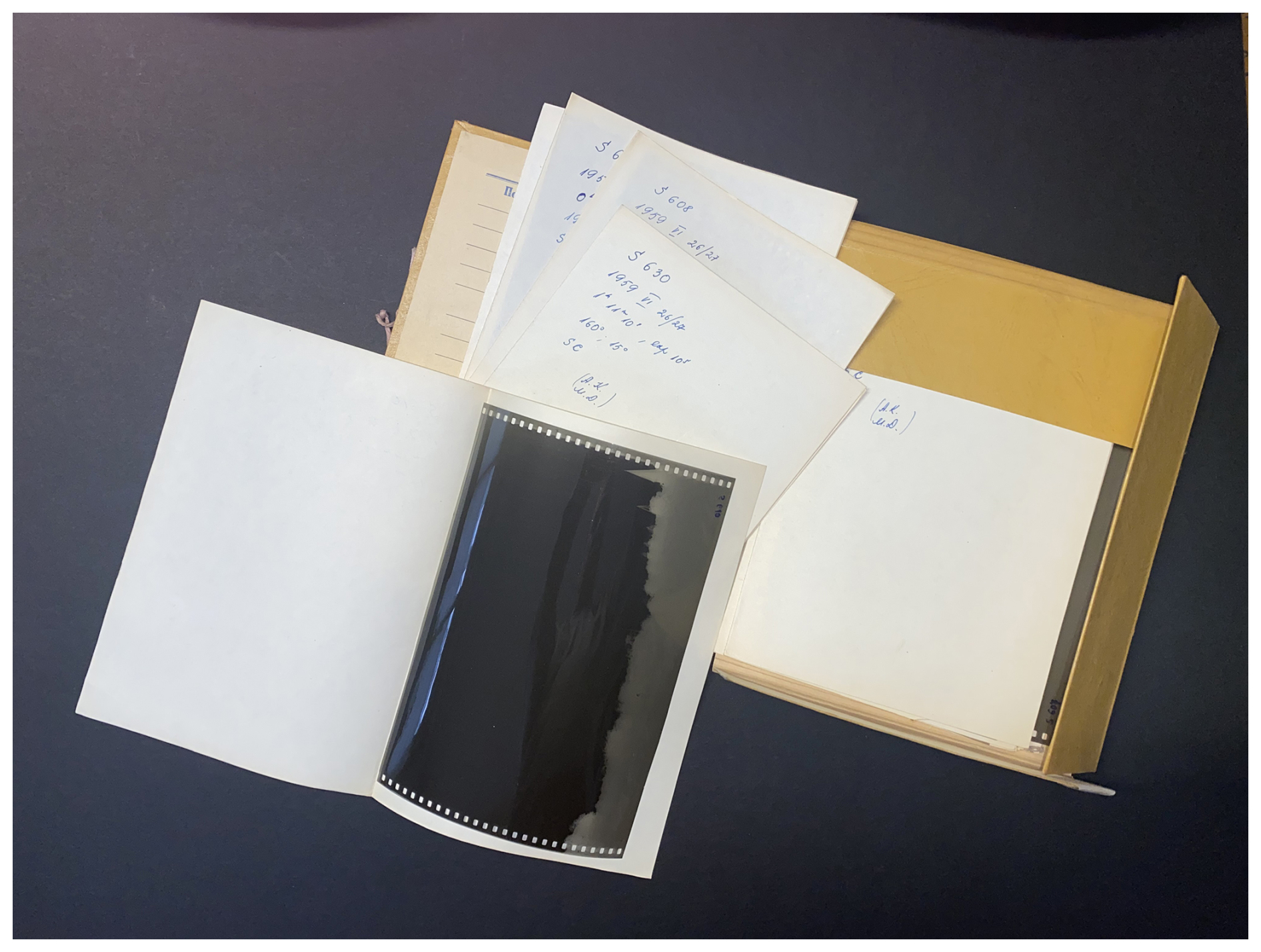
Almost all images have a frame size of 180×130 mm. For 84 images, the format is 180×240 mm. There are a total of 2106 photo negatives in the archive. Of them, 271 were admitted in Riga from 1958 to 1964, 1482 were admitted in Sigulda from 1961 to 1967, 146 were admitted in Baldone in 1959, and 8 were admitted in Lielauce in 1958. A total of 106 pictures make up 53 pairs taken synchronously in Sigulda–Riga and Sigulda–Lielauce. Most of the images are placed into binders and organized by series of observations. Each photographic negative is assigned a unique common identification number. The photo negatives are placed one by one into an envelope made of a folded sheet of soft paper (Fig. 5) and are annotated with a description of the shooting conditions. All negatives are perfectly preserved. A 186 mm wide aerial film was used for shooting.
The annotations for each photo include the following:
-
observation point code (initial letter of the name);
-
personnel number (usually in the format XX-YYY, where XX denotes the last two digits of the year, and YYY is the serial number, which starts from 1 every year);
-
year, date, and time of enrollment;
-
duration of exposure; see also Table 3 for the dependence of exposure on sun depth;
-
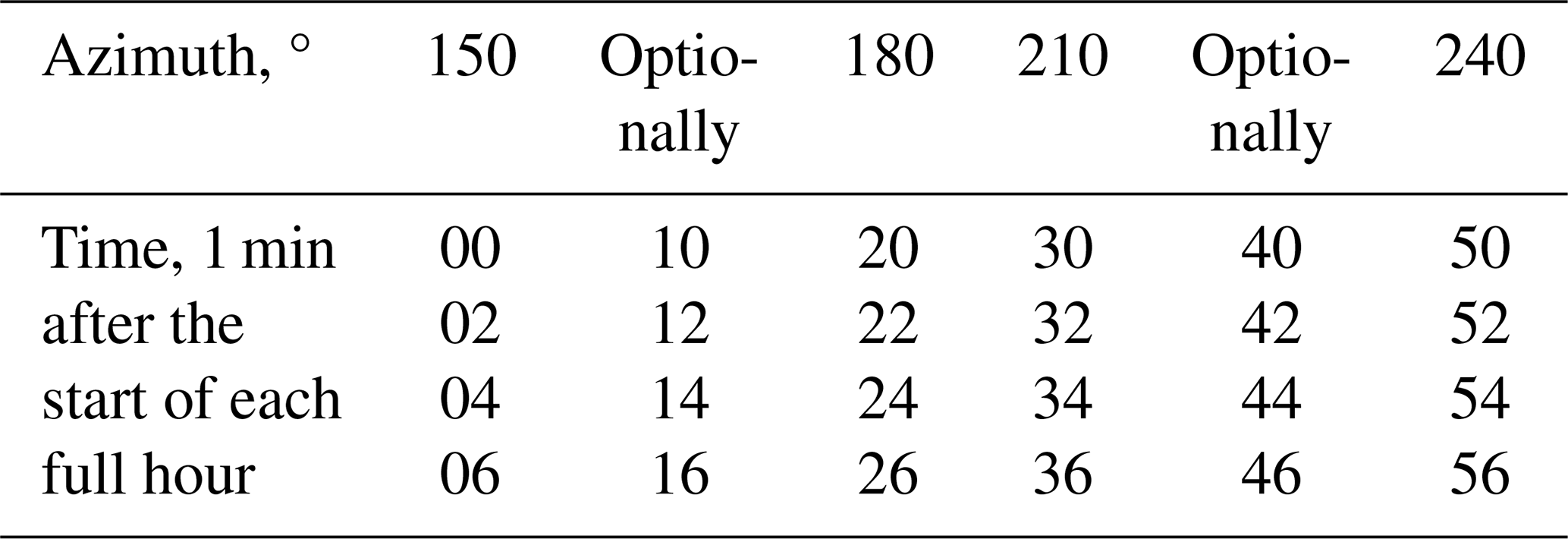
camera direction (azimuth, height); see also Table 4 for synchronous capture program
-
the initials of the observers who made the frame.
A semi-transparent paper template made during earlier processing is attached to some of the images, indicating the positions of the brightest stars in the frame, as well as other marks.
It is planned that these images will be digitized at the Institute of Astronomy of the UL. This is intended to be done with a professional high-performance scanner, Epson 11000XL. Such scanners were used to digitize the 24×24 cm glass negative library of the 120/80 cm Schmidt telescope of the Baldone Observatory (Eglītis and Eglīte, 2016). An auxiliary device for accurate positioning of flexible photo negatives on the scanner glass was made at the Laser Location Station of the Institute of Astronomy, UL.
Photography was only performed if MMs were detected visually; the exception was some trial expositions.
Table 5Review of systematic observations of MCs in Sigulda, Latvia.

* In brackets are excerpts from images that have not survived.
Table 6Review of systematic observations of MCs at other observation points in Latvia.
2.5.2 Equipment
For serious photographic observations of MCs in the USSR, it was recommended that aerial cameras be used, with a frame size of at least 180×130 mm and a normal lens (focal length equal to the diagonal of the frame). The large-sized frame was chosen to allow for image processing with photogrammetry methods. The relevant cameras of the local branch of the AUAGS (usually, they were decommissioned military aerial cameras) and special, ultra-fine-grained photographic materials could be obtained by ordering them from the central council of the AUAGS. These were not accessible to individual, “unorganized” observers.
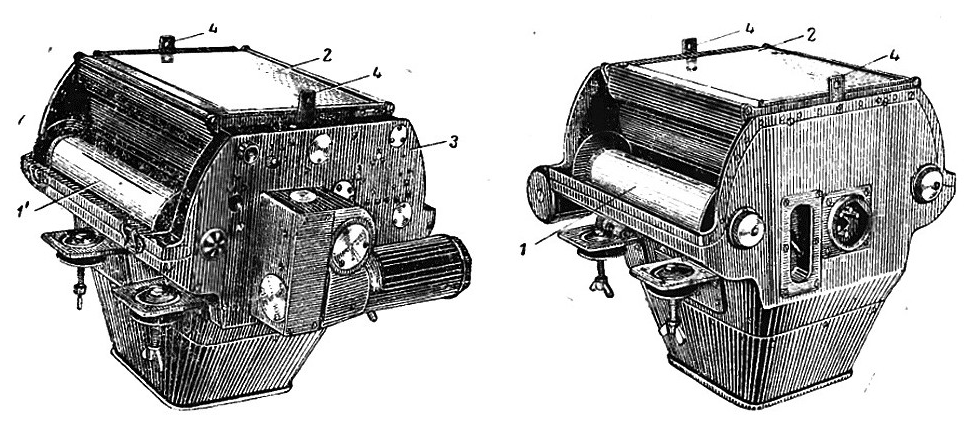
An aerial photo camera, AFA-IM, was used for MC photography in Latvia (Fig. 6; Abramov, 2022a). It had already been developed in 1938 for the needs of the military department of the USSR. The camera used a four-lens anastigmatic lens (Industar-51) with f=210 mm and an aperture of 1:4.5; the angular size of the frame was 46×30°. Always, the largest aperture of the lens was used.
A semi-automatic aerial photo camera, NAFA-3s, with a frame size of 180×240 mm was also used in Sigulda for a short time. The diagonal of the frame was 27 arcdeg. The built-in lens was an Industar-52 (f=500 mm, aperture of 1:5) (Abramov, 2022b). This is not to be confused with the lens of the same name, which was widely used in the USSR for amateur small-format cameras; it is a completely different device. This technically more developed camera was only used for a short time. The performance of the AFA-IM camera was recognized as sufficient and did not require special training, while the use of the NAFA-3s required certain skills. In later years, commercial 35 mm film size cameras (FED-3 and Viliya) were also used in systematic observations. It should be noted that frames obtained with an amateur camera on 35 mm film cannot be used for photogrammetric analysis; they are also not found in archives.
Note, that in Fig. 6 no. 1 represents represents the receiving coil, 1' represents the feeding coil, 2 represents the pressure glass, 3 represents the removable side part of the camera, and 4 represents the cassette cover latches.
Photographic observations took place in Riga, Sigulda, and Lielauce. Panchromatic aerial photo film with an optical density of D=0.85, a contrast ratio of γ=1.7–2.1, and a sensitivity of 1000–1900 units in terms of the state standard (GOST) was used as the photographic material. This special aviation film standard of the USSR is not directly comparable to the well-known ISO, ASA, and DIN standards or to the Soviet GOST for civil industry products. Similarly to ISO, this is constituted by an arithmetic progression, but the conversion factor is unknown. The exposure duration was determined according to a special, experimentally obtained table (Table 2). The exposure depended on the depth of the Sun below the horizon, which made it possible to calibrate the brightness of the MC depending on the degree of blackness of the exposed photo film, eliminating the subjective factor.
In order to ensure synchronous photography of the same MC field, exposures had to be carried out according to a specially determined time–direction table in the IGY observation programs in 1957–1959 (see Table 3). If the MC was weak, without interesting shapes and significant details, then it was permissible to shoot only every full tenth of a minute. Observers continued to adhere to this scheme later on, until approximately 1966, as long as there were systematic observations from at least two points.
In later years, there was only the recommendation to shoot at the beginning of a minute when choosing the starting moment of photography. The start of the exposure was determined by hearing, listening to the exact time signal and waiting for the full minute-long beep. For this purpose, a DIZ (Germany, 4.525 MHz) special time signal broadcasting station was most often used; less often, some others were also used. Observations were often hampered by the poor audibility of these signals in household radio receivers (in which case, a stopwatch was visually used), but this did not interfere in Sigulda, where there was a precisely tuned military-type radio receiver with variable selectivity and an external antenna.
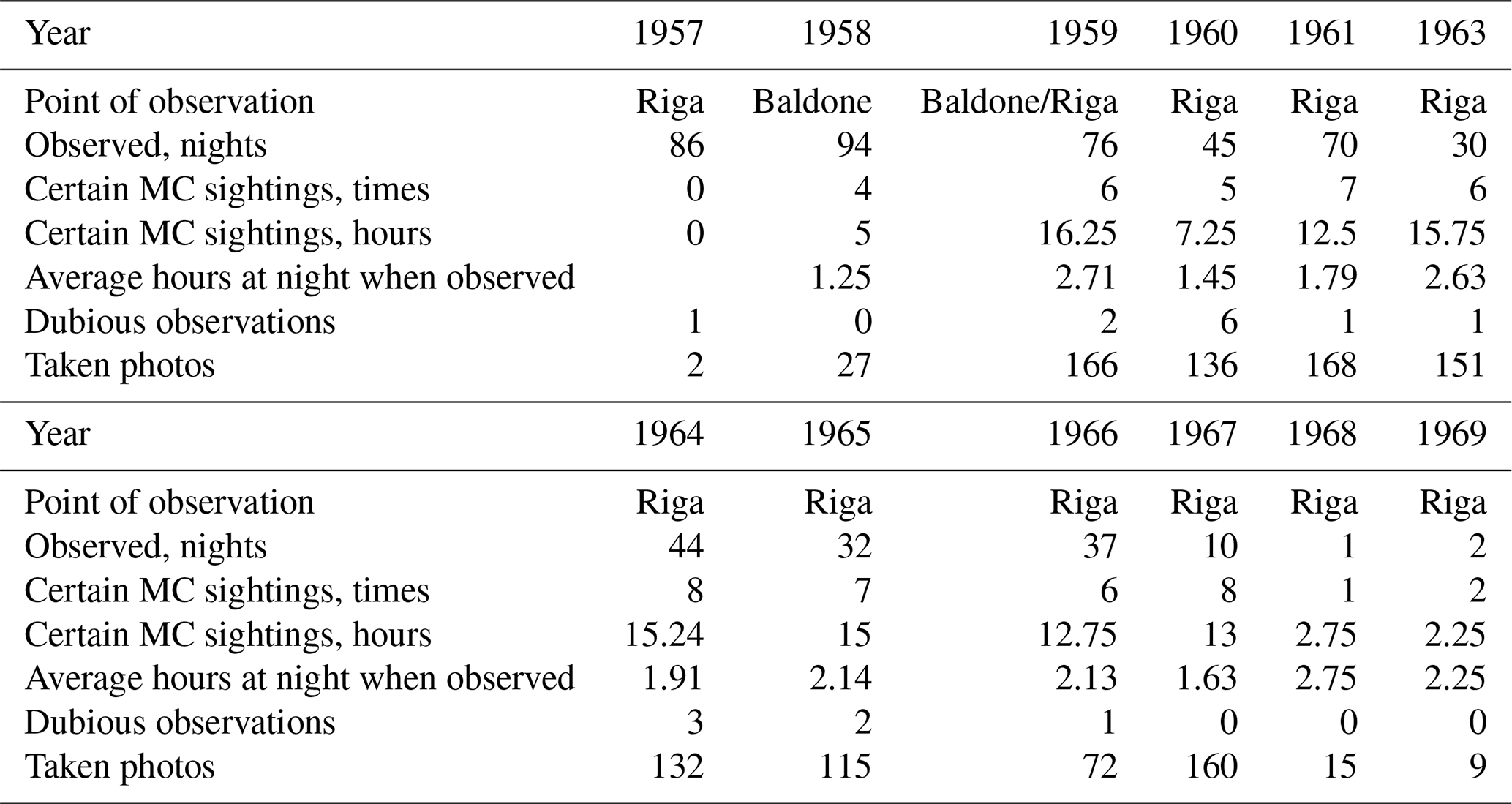
A brief overview of MC observations in Latvia for the period from 1957 to 1983, which can be found in the observation journals, is attached in Tables 5 and 6. It can be seen that the mid-1960s and 1970s stand out, with a particularly large number of MC observations, but, in 1957, there was only one dubious observation.
In Latvia, a very large amount of MC observation material has been accumulated; however, the processing which was carried out at the time did not nearly exhaust the potential within this material. A long series of observations about the fact of the appearance of MMs, including the detailed (photographically) recorded topography and morphology of MCs, can provide a lot of new information about the long-term dynamics of MCs and their connection with climate change processes taking place in the troposphere. Specialists from the Institute of Astronomy, UL, attracting students and volunteers, will continue to perform statistical processing of digitized information. Special attention should be paid to the rich photo archive, which can be digitized and processed in several directions. MC height measurements should be taken first if possible. From 53 pairs of photographs, 53 measurements of NLC height could be derived for the time frame of 1961–1964. Evaluating the results compared to those obtained, for example, in Lübken et al. (2018), it is possible to confirm the assumption that they can serve as a large-scale indicator of climate change. Studies of MC movement and morphology can provide valuable information about the dynamics of the upper atmosphere and its long-term changes, as well as about the relationship with the solar activity cycle and other factors, including the already-mentioned climate change processes. Among other things, an a priori statistical evaluation of the observations shows an apparent inverse relationship with the solar activity (Wolf number), but this will be clarified and substantiated in the further course of data processing. Observations in recent years, however, cast doubt on this assumption.
All data are freely publicly available in the University of Latvia repository in Sect. B4 Faculties of UL; Faculty of Science and Technology (https://dspace.lu.lv/handle/7/67138, LAS, 2022). Data is compiled into 27 files:
-
A summary of the mesospheric cloud observation logs 1957–1983 that can be found in the archives of the Latvian Astronomical Society. Author: Jānis Kauliņš;
-
Observations of mesospheric clouds include observer notes that cannot be included in a log file due to their size. Author: Jānis Kauliņš;
-
Observations of silver clouds in Latvia in 1957–1983: journal content and digitization methodology. Author: Jānis Kauliņš;
-
Log files named under common format: Mesospheric cloud observation data in *places*, 19xx. Considering that the data is the contribution of many authors, and they were accumulated within the framework of the activities of the Latvian Astronomical Society, the LAS is considered the collective author of this data.
The dataset is found only in this repository and does not contain third-party data.
The author has declared that there are no competing interests.
Publisher's note: Copernicus Publications remains neutral with regard to jurisdictional claims made in the text, published maps, institutional affiliations, or any other geographical representation in this paper. While Copernicus Publications makes every effort to include appropriate place names, the final responsibility lies with the authors.
The author of the article expresses his deepest gratitude to Ilgonis Vilks for his unselfish work in searching for the material of MM observations in the still unsorted part of the archive of the Museum of the UL and to the volunteer assistants Jānis Biķis and Jūlija Stepanova for their patient and persistent work in the digitization of the observation journals.
This paper was edited by Hans Volkert and reviewed by two anonymous referees.
Abramov, G.: 1997–2022, Soviet photo camera building development history, http://photohistory.ru/index.php?pid= 1345216504685315.html (last access: 26 September 2022), 2022a (in Russian).
Abramov, G.: 1997–2022, Soviet photo camera building development history, http://photohistory.ru/index.php?pid= 1335371843908641.html (last access: 26 September 2022), 2022b (in Russian).
Bronshtein, V. A. and Grishin, N. I.: Noctilucent Clouds, 359 pp., Nauka, Moscow, UDK 551.576:551.510.533, 1970 (in Russian).
Dalin, P., Perminov, V., Pertsev, N., and Romejko, V.: Updated long-term trends in mesopause temperature, airglow emissions, and noctilucent clouds, J. Geophys. Res.-Atmos., 125, e2019JD030814, https://doi.org/10.1029/2019JD030814, 2020.
Eglītis, I. and Eglīte, M.: Baldone Schmidt (Latvia) Telescope Astrophotos Archive, 16th Odessa International Astronomical Gamow Conference-School “Astronomy and beyond: Astrophysics, Cosmology and Gravitation, Cosmomicrophysics, Radio-astronomy and Astrobiology”, 14–20 August 2016, Odessa, Chernomorka, Ukraina, p. 25, http://gamow.odessa.ua/wp-content/uploads/2016/08/Gamow_Abstracts_2016.pdf (last access: 2 September 2026), 2016.
Fiedler, J., Baumgarten, G., Berger, U., and Lübken, F.-J.: Long-term variations of noctilucent clouds at ALOMAR, J. Atmos. Sol.-Terr. Phy., 162, 79–89, https://doi.org/10.1016/j.jastp.2016.08.006, 2017.
Gadsden, M. and Parviainen, P.: Observing noctilucent clouds, International Association of Geomagnetism & Aeronomy, https://www.iaga-aiga.org/data/uploads/pdf/guides/onc.pdf (last access: 2 September 2026), 2006.
Gadsden, M. and Taylor, M. J.: Measurements of noctilucent cloud heights: a benchmark for changes in the mesosphere, J. Atmos. Terr. Phy., 56, 461–466, https://doi.org/10.1016/0021-9169(94)90194-5, 1994.
Grishin, N. I.: Instruction for observations of noctilucent clouds at IGY, 24 pp., Academy of Sciences USSR, Moscow, 1957 (in Russian).
Hodorenko, A.: Sky alert: unusual noctilucent clouds over Europe – what does it mean?, https://nv.ua/techno/popscience/serebristye-oblaka-stali-poyavlyatsya-vse-chashche-50098478.html, last access: 29 September 2022 (in Russian).
Kirkwood, S., Dalin, P., and Réchou, A.: Noctilucent clouds observed from the UK and Denmark – trends and variations over 43 years, Ann. Geophys., 26, 1243–1254, https://doi.org/10.5194/angeo-26-1243-2008, 2008.
Latvian Astronomical Society (LAS): Observations of mesospheric clouds made by the Latvian Astronomical Society in 1957–1983, https://dspace.lu.lv/handle/7/67138 (last access: 2 September 2026), 2022.
Lübken, F.-J., Berger, U., and Baumgarten, G.: On the Anthropogenic Impact on Long-Term Evolution of Noctilucent Clouds, Geophys. Res. Lett., 45, 6681–6689, https://doi.org/10.1029/2018GL077719, 2018.
Nielsen, K., Nedoluha, E. G., Chandran, A., Chang, L. C., Barker-Tvedtnes, J., Taylor, M. J., Mitchell, N. J., Lambert, A., Schwartz, M. J., and Russell III, J. M.: On the origin of mid-latitude mesospheric clouds: The July 2009 cloud outbreak, J. Atmos. Sol.-Terr. Phy., 73, 2118–2124, https://doi.org/10.1016/j.jastp.2010.10.015, 2011.
NLCNET: Noctilucent Cloud Observing Network, http://ed-co.net/nlcnet (last access: 2 September 2022), 2022.
Oliveiro, J. J. and Thomas, G. E.: Evidence for Changes in Greenhouse Gases in The Mesosphere, Adv. Space Res., 28, 931–936, https://doi.org/10.1016/S0273-1177(01)80020-X, 2001.
Pertsev, N., Dalin, P., Perminov, V., Romejko, V., Dubietis, A., Balčiunas, R., Černis, K., and Zalcik, M.: Noctilucent clouds observed from the ground: sensitivity to mesospheric parameters and long-term time series, Earth Planet. Space, 66, 98, https://doi.org/10.1186/1880-5981-66-98, 2014.
Romejko, B. A.: Guide for qualified visual observations of noctilucent clouds, 17 pp., Moscow, MGDPiSh, 1990 (in Russian).
Romejko, V. A., Dalin, P. A., and Pertsev, N. N.: Forty years of noctilucent clouds observations near Moscow: database and simple statistics, J. Geophys. Res., 108, 8443, https://doi.org/10.1029/2002JD002364, 2003.
Taylor, M. J., Gadsden, M., Lowe, R. P., Zalcik, M. S., and Brausch, J.: Mesospheric cloud observations at unusually low latitudes, J. Atmos. Sol.-Terr. Phy., 64, 991–999, https://doi.org/10.1016/S1364-6826(02)00053-6 2002.
WMO: Noctilucent clouds (polar mesospheric clouds), https://cloudatlas.wmo.int/noctilucent-clouds.html (last access: 26 September 2022), 2022.